- The Birth of a Legend: Madelyne Tolentino's Testimony (1995)
- The Two Faces of the Chupacabra: Reptilian vs. Canine
- The Geographic Spread: From Puerto Rico to the Americas
- The Skeptical View: Mange, Coyotes, and Misidentification
- The Cultural Resonance: Why the Chupacabra Endures
- The Chupacabra in the Age of DNA: What the Science Actually Says
- Related from our network
What if I told you that a creature born from a single eyewitness account in a small Puerto Rican town has terrorized the American imagination for nearly three decades, leaving a trail of exsanguinated livestock and contradictory descriptions in its wake? The chupacabra—Spanish for “goat-sucker”—emerged in 1995 as a modern cryptid, a monster for an age of mass media and instant communication. Unlike the ancient dragons of European bestiaries or the yokai of Japanese folklore, the chupacabra has a precise birth date and a documented genealogy of sightings that we can trace, analyze, and question. This creature exists at the intersection of folk belief, media sensationalism, and biological reality—a Rorschach test for a continent's anxieties about the unknown. The story begins not in a pre-Columbian myth, but in the testimony of a woman named Madelyne Tolentino, whose description of a strange beast would ignite a cryptozoological phenomenon unlike any other in the modern era.
The Birth of a Legend: Madelyne Tolentino's Testimony (1995)
In August 1995, the small municipality of Canóvanas, Puerto Rico, became the epicenter of a mystery. Madelyne Tolentino, a woman whose name would become synonymous with the creature's origin, reported seeing a bizarre animal outside her home. She described a bipedal creature standing roughly four feet tall, with leathery gray skin, large red eyes, and a row of spikes running down its back. What made her account particularly striking was the detail of the creature's mouth: she claimed it had fangs and a forked tongue, and that it emitted a hissing sound. Tolentino's description was specific enough to be memorable, yet vague enough to allow for elaboration. Within weeks, similar reports began surfacing across the island. Farmers discovered dead goats and chickens with their blood drained through small, precise puncture wounds—a detail that would become the chupacabra's signature. By October 1995, the media had latched onto the story, and the term “chupacabra” entered the global lexicon. The first major investigation, led by local journalist Jorge Martín, documented over 200 reported attacks in Puerto Rico alone during the initial outbreak, with the majority occurring in the municipalities of Canóvanas, Río Grande, and Loíza.
The timing of the chupacabra's emergence is telling. 1995 was the year the internet began to enter mainstream American households, with services like AOL and Prodigy connecting millions. The chupacabra story spread through this nascent digital infrastructure with astonishing speed. Within six months of Tolentino's sighting, reports had emerged in Mexico, Florida, and Texas. The creature became one of the first truly global cryptid phenomena of the internet age, its image and story circulating through email chains, early websites, and television news segments. The chupacabra's birth in Puerto Rico, a U.S. territory with a complex colonial history, also inflected the narrative with themes of exploitation and fear of the unknown—the creature was often described as an alien experiment or a government creation gone wrong. This origin story, unlike the ancient roots of the Loch Ness Monster or Bigfoot, is thoroughly modern, a creature born from a single witness and amplified by a global communications network that was itself still learning its own power.
The Two Faces of the Chupacabra: Reptilian vs. Canine
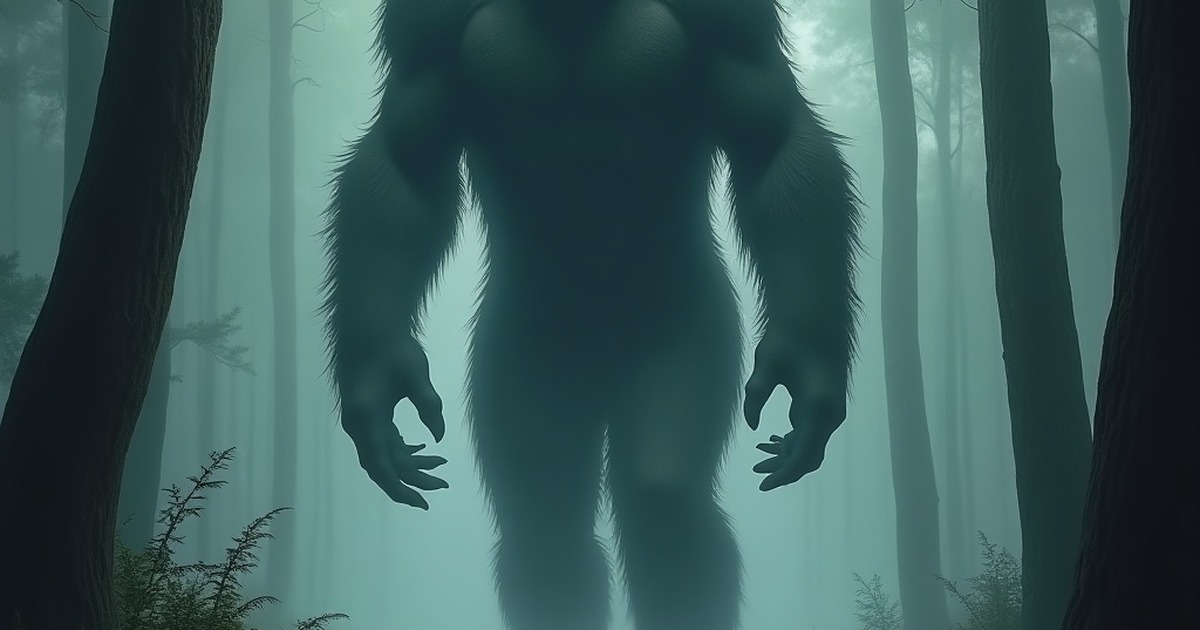
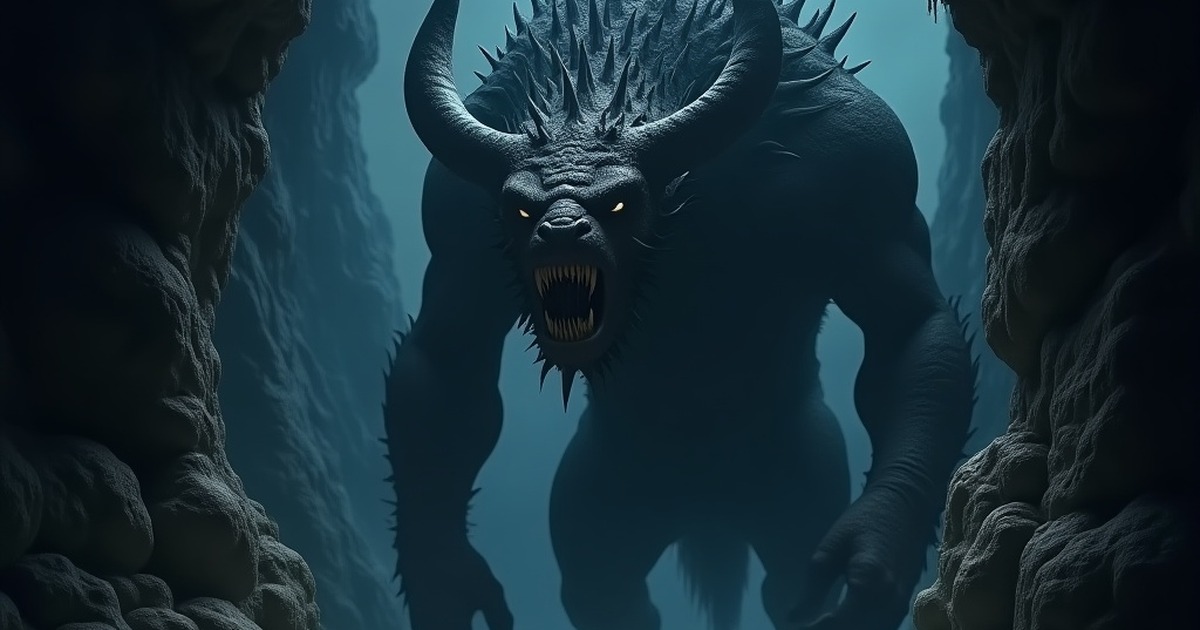
One of the most fascinating aspects of chupacabra lore is the radical divergence in physical descriptions. The original Puerto Rican reports describe a reptilian creature: bipedal, standing three to four feet tall, with leathery or scaly gray-green skin, large red or black eyes, and a row of spines or quills running from the head down the back. This version is sometimes described as having wings or the ability to leap great distances—up to 20 feet in a single bound according to some witnesses. It is this form that appears in the earliest sketches and the famous 1995 illustration by artist Jorge Luis González, which became the definitive image of the classic chupacabra. This reptilian version is distinctly otherworldly, evoking the gray aliens of UFO lore as much as any terrestrial predator.
However, by the early 2000s, a second, radically different description began to dominate reports, particularly in the American Southwest and Mexico. This chupacabra is canine: a hairless, dog-like creature with a pronounced spinal ridge, elongated snout, and oversized fangs. It walks on four legs and is roughly the size of a coyote or medium dog, weighing between 40 and 60 pounds. This version lacks the red eyes and spiky back of the original, instead resembling a mangy, emaciated animal. The shift from reptilian to canine is not merely a matter of witness error; it reflects a fundamental change in the creature's perceived ecology. The reptilian chupacabra is a cryptid in the classic sense—a hidden, possibly supernatural being. The canine chupacabra, by contrast, looks like a real animal that has suffered a severe biological misfortune. This duality has created a rift in cryptozoological circles: some researchers insist the true chupacabra is the bipedal reptile of the Puerto Rican originals, while others accept the canine form as a later evolution of the legend, possibly a case of mistaken identity for coyotes or dogs afflicted with severe mange.
The Geographic Spread: From Puerto Rico to the Americas
The chupacabra's journey across the Americas is a case study in how a local legend becomes a continental phenomenon. After the initial outbreak in Puerto Rico in 1995, the creature appeared in Mexico by early 1996, with reports concentrated in the states of Veracruz, Tamaulipas, and Nuevo León. In April 1996, a series of livestock deaths in the town of Tecate, Baja California, were attributed to the chupacabra, with farmers reporting that goats and sheep had been found with puncture wounds and completely drained of blood. The Mexican reports often described a creature that was a hybrid of the reptilian and canine forms—a four-legged animal with spines and red eyes—suggesting that the legend was already mutating as it traveled. By 1997, the chupacabra had reached the United States, with sightings reported in Florida, Texas, and as far north as New York. The first major U.S. incident occurred in July 1997 in the town of Elgin, Arizona, where a rancher named Jack H. reported finding 32 of his goats dead in a single night, their blood drained through small neck wounds.
From the early 2000s onward, the canine version of the chupacabra became the dominant form in U.S. reports, particularly in Texas, where a series of hairless, strange-looking animals were captured or killed and presented as evidence. In 2004, a rancher named Phylis Canion found three strange carcasses on her property near Elmendorf, Texas. The animals were hairless, with gray-blue skin, long snouts, and fangs. Canion preserved one of the carcasses in a freezer, and it became the most famous “chupacabra specimen” in history. DNA testing later identified the animals as coyotes afflicted with severe sarcoptic mange, a condition caused by mites that leads to hair loss, thickened skin, and a gaunt appearance. The Canion case became a template for subsequent chupacabra identifications: a strange-looking animal is found, media attention ensues, and DNA analysis reveals a mundane explanation. Yet the legend persists. A 2019 survey by the Chapman University Survey of American Fears found that 16% of Americans believe the chupacabra is a real animal, a figure that has remained remarkably stable since the early 2000s. The creature has been reported in every U.S. state except Hawaii and Alaska, and in at least 18 countries across the Americas, from Chile to Canada.
The Skeptical View: Mange, Coyotes, and Misidentification
The most parsimonious explanation for the vast majority of chupacabra sightings is severe sarcoptic mange in canids. Sarcoptic mange is caused by the mite Sarcoptes scabiei, which burrows into the skin, causing intense itching, hair loss, and secondary infections. Affected animals lose their fur completely over 90% of their bodies, their skin becomes thickened and wrinkled, and they often appear emaciated due to the energy drain of the infestation. The result is an animal that looks nothing like a healthy coyote or dog—hairless, with a rat-like tail, prominent fangs (made more visible by the lack of fur around the mouth), and a gaunt, almost skeletal frame. A 2014 study published in the journal Vector-Borne and Zoonotic Diseases analyzed DNA from 28 alleged chupacabra carcasses collected across Texas, Oklahoma, and California. Every single sample tested positive for canine DNA, with the majority identified as coyotes (Canis latrans) or coyote-dog hybrids. The study also found that all specimens showed evidence of severe sarcoptic mange, confirming the biological basis for the strange appearance.
But the skeptical explanation goes beyond mange. The original Puerto Rican reports of blood-drained livestock have a more mundane parallel: predation by feral dogs or coyotes, which often kill more animals than they can eat and may bite in ways that suggest puncture wounds. The “drained blood” claim is particularly problematic from a forensic standpoint. Blood coagulates rapidly after death, and a predator's bite can create wounds that appear to have removed blood when in fact the blood has simply pooled elsewhere in the body or been consumed by scavengers. In many reported chupacabra attacks, the livestock were not actually exsanguinated; they had simply been killed and partially consumed, with the blood loss consistent with normal predation. The legendary precision of the chupacabra's two-puncture wound pattern—often compared to vampire bites—is also easily explained by the canine jaw structure. A coyote's canine teeth are spaced approximately 1.5 to 2 inches apart, and a bite to the neck of a goat or sheep can leave two distinct puncture wounds that appear surgical to an untrained observer. The chupacabra, in this reading, is not a creature at all, but a pattern of misidentification driven by cultural expectation and media amplification.
The Cultural Resonance: Why the Chupacabra Endures
Why does the chupacabra persist in the American imagination despite overwhelming evidence of misidentification? The answer lies in the creature's function as a folkloric figure for the modern age. The chupacabra embodies anxieties that are specific to the late twentieth and early twenty-first centuries: fear of biological contamination, distrust of government and scientific institutions, and anxiety about the unknown consequences of environmental degradation. The creature is often described as a “mutant” or “experiment gone wrong,” linking it to narratives of genetic engineering and corporate malfeasance. In Puerto Rico, some locals believed the chupacabra was a product of the U.S. military's biological weapons research, a story that resonated with the island's colonial relationship with the mainland. This narrative of the chupacabra as a created monster—a Frankenstein for the biotech age—gives the legend a political and social valence that older cryptids lack. Bigfoot is a relic of the wilderness, a reminder of what we've lost; the chupacabra is a harbinger of what we might create.
The chupacabra also serves a more traditional folkloric function: it explains inexplicable loss. For farmers and ranchers who lose livestock to predators, the chupacabra provides a narrative framework for their loss that is more satisfying than the mundane reality of coyotes or dogs. The chupacabra is a monster, a villain with agency and intent, and blaming it for a dead goat is psychologically easier than accepting the random cruelty of nature or the failure of one's own fencing. This is the same function served by mythical creatures across cultures—the strzyga of Polish folklore, which drained blood from livestock, or the penanggalan of Southeast Asian legend, a flying head that preyed on pregnant women. The chupacabra is a modern iteration of an ancient pattern: the use of a supernatural agent to explain material loss. What makes the chupacabra unique is the speed with which it was absorbed into global popular culture, a process accelerated by the internet and cable news. The creature has appeared in episodes of The X-Files, Supernatural, and Grimm, and has been referenced in songs by artists ranging from Calle 13 to The Mountain Goats. It has become a symbol of Latin American identity in the face of U.S. cultural hegemony, a monster that belongs to the Caribbean and the borderlands, not to the European Gothic tradition.
The Chupacabra in the Age of DNA: What the Science Actually Says
The application of modern genetic analysis to chupacabra specimens has transformed the debate from a matter of belief to a matter of biology. The definitive study, published in 2014 in Vector-Borne and Zoonotic Diseases, examined 28 samples from across the southern United States and northern Mexico. The research team, led by Dr. John A. Byers of the University of Texas at Austin, used mitochondrial DNA sequencing to identify the species of each sample. The results were unambiguous: 26 of the 28 samples were coyotes (Canis latrans), one was a domestic dog (Canis lupus familiaris), and one was a gray fox (Urocyon cinereoargenteus). All 28 showed histopathological evidence of severe sarcoptic mange. The study also noted that the average body weight of the specimens was 32 pounds, significantly lower than the typical 45-pound weight of a healthy coyote, reflecting the debilitating effects of the disease. This single study effectively closed the case on the canine chupacabra, demonstrating that the creature is not a new species but a familiar one in an unfamiliar state of disease.
However, the science has not fully silenced the believers. Proponents of the chupacabra's existence point to the original Puerto Rican reports, which describe a bipedal, reptilian creature that bears no resemblance to a mangy coyote. They argue that the canine chupacabra is a separate phenomenon—a case of mistaken identity that has been conflated with the true cryptid. The reptilian chupacabra, they note, has never been captured or subjected to DNA analysis, and its existence cannot be disproven by studies of hairless coyotes. This argument has some merit: the two forms of the chupacabra are so different that they may represent distinct phenomena. The reptilian version, with its origins in a single witness account and its rapid media amplification, may be a purely folkloric creature—a legend that was never meant to be found. The canine version, by contrast, is a biological reality that has been misidentified as a monster. The chupacabra, in this reading, is not one creature but two: a legend and a
Related from our network
- Best Webcam For Remote Work: Complete Guide (2026) (deskgearreviews)
- Ring vs Nest Doorbell: Which Video Doorbell Is Best in 2025? (theconnectedhaven)
- I Tested the Best Dash cam — Here's What Stood Out (partpickerauto)
Your Weekly Dose of Inspiration
Journaling ideas, family tips, and gentle inspiration.