- Ra: The Supreme Sun God and Creator of All
- Osiris: Lord of the Afterlife and Judge of Souls
- Horus: The Sky God and Divine Protector of Pharaohs
- Isis: The Goddess of Magic, Motherhood, and Resurrection
- Set: God of Chaos, Storms, and the Desert
- Anubis: The Guardian of the Dead and Embalming
- Thoth: The God of Wisdom, Writing, and the Moon
- Q: Who is the most powerful Egyptian god?
- Q: Why is Anubis so important despite not being a creator god?
- Q: How did Set's power compare to Horus's in Egyptian mythology?
- Related from our network
In the pantheon of ancient Egypt, gods were not merely divine beings—they were the architects of cosmic order, the arbiters of life and death, and the silent witnesses to the rise and fall of dynasties. To rank them by power is to delve into a mythology where the sun itself was a deity, where the Nile's flood was a god's breath, and where the afterlife was a perilous journey overseen by a jackal-headed guide. This deep dive systematically compares Egyptian deities by their domains, worship, and mythological feats, drawing on primary sources like the Pyramid Texts (c. 2400 BCE) and the Book of the Dead. We move beyond mere names to explore how each god's influence shaped Egyptian society, from the pharaoh's divine mandate to the farmer's prayer for a bountiful harvest. Whether you are a mythology enthusiast or a history buff, this exploration will illuminate the complex hierarchy of power that governed the ancient Egyptian cosmos, revealing which gods held the greatest sway over creation, order, and the human soul.
Ra: The Supreme Sun God and Creator of All
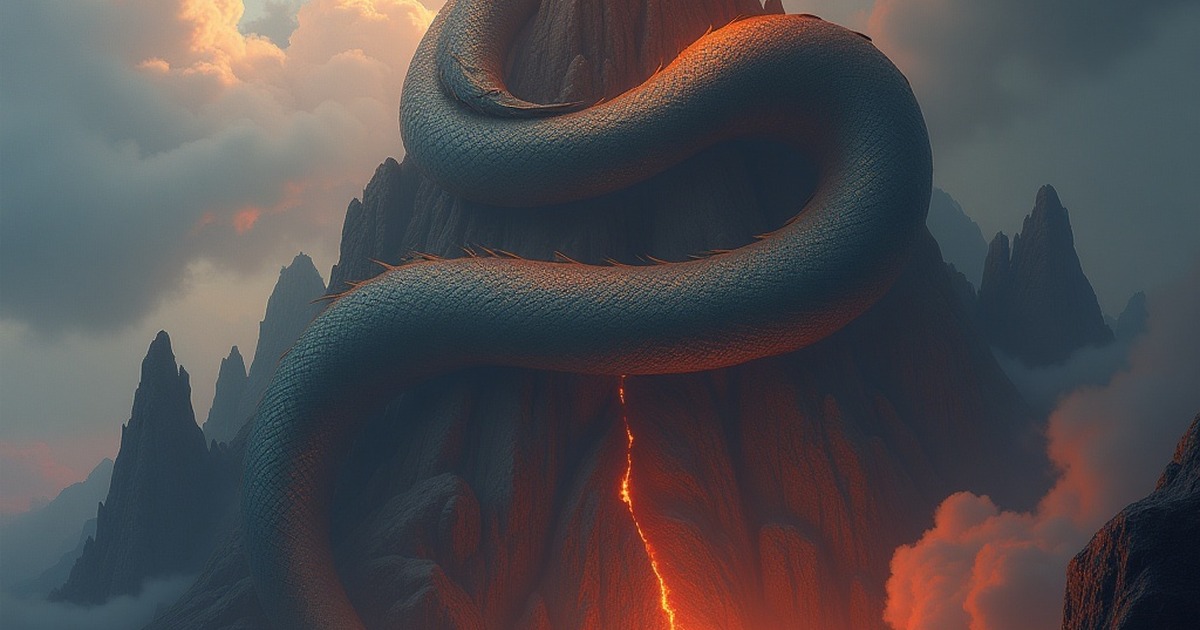
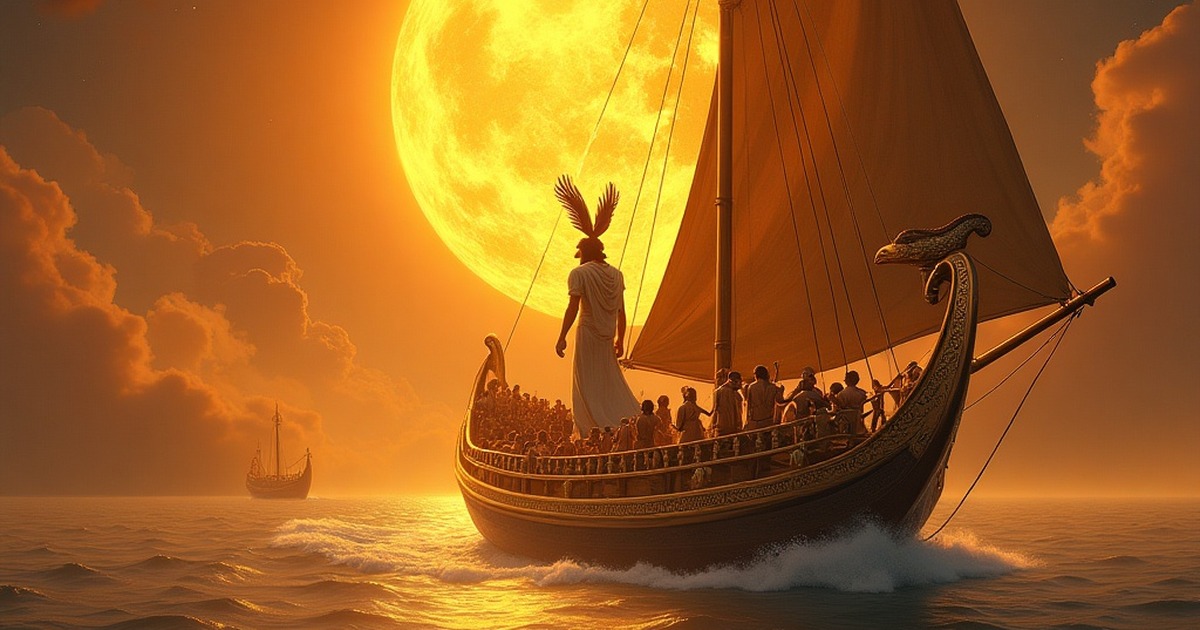
Ra, the sun god, stands at the pinnacle of the Egyptian pantheon as the self-created deity who brought the world into existence. According to the Pyramid Texts, Ra emerged from the primordial waters of Nun, and his tears and sweat created the first gods and humans. His domain was the sky, the sun, and the very cycle of day and night—a power so absolute that it dictated the rhythm of life in the Nile Valley. Ra's daily journey across the sky in his solar barque was a mythological feat of immense significance: each sunrise was a victory over the chaos serpent Apophis, whom Ra battled nightly to ensure the sun's return. This cosmic struggle was not just a story but a ritual reenacted by priests at Heliopolis, where hymns praised Ra as “the lord of all that exists.”
Ra's power was not merely cosmic but political. Pharaohs claimed descent from Ra, legitimizing their rule as divine intermediaries. The god's cult center at Heliopolis became one of the most influential in Egypt, and his name was invoked in royal titulary for millennia. Yet, Ra's power was not absolute; he could be weakened by age or betrayal, as in the myth where the goddess Hathor (as the Eye of Ra) nearly destroyed humanity. This vulnerability humanized him, making his power both awe-inspiring and relatable. For worshippers, Ra was the source of life and the ultimate authority, but his battles against Apophis reminded them that even gods must fight to maintain order. In terms of raw mythological influence, Ra's power over creation, time, and the sun itself is unmatched, earning him the top rank in any systematic comparison.
Osiris: Lord of the Afterlife and Judge of Souls
Osiris's power lies not in cosmic dominance but in his dominion over death and resurrection—a domain that touched every Egyptian's life. As the god of the underworld, Osiris presided over the Weighing of the Heart ceremony, where the deceased's soul was judged. The Book of the Dead describes him as “the great god who judges the dead,” seated on a throne in the Hall of Two Truths. His mythological feats are equally profound: Osiris was murdered by his brother Set, dismembered, and revived by his wife Isis, becoming the first mummy and the archetype for resurrection. This narrative made him the most personal of gods, as Egyptians sought to emulate his rebirth through elaborate burial rites.
Worship of Osiris was widespread, with his cult center at Abydos becoming a pilgrimage site where the annual “Mysteries of Osiris” reenacted his death and resurrection. His power was unique in that it offered hope—not just for pharaohs but for all people. In the Middle Kingdom, the democratization of the afterlife meant that commoners could claim Osiris's protection, a radical shift in religious practice. However, Osiris's power was limited to the underworld; he rarely intervened in the living world, unlike Ra or Horus. His strength was passive, rooted in judgment and renewal rather than active force. For the ancient Egyptians, Osiris was the most emotionally resonant god, but his power was conditional—dependent on the deceased's righteousness. This makes him a close second to Ra in influence, though his domain is narrower.
Horus: The Sky God and Divine Protector of Pharaohs
Horus, the falcon-headed god of the sky, wielded power that was both cosmic and political. As the son of Osiris and Isis, he avenged his father's death by battling Set, a conflict that symbolized the eternal struggle between order (ma'at) and chaos (isfet). The Contendings of Horus and Set, a mythological cycle from the New Kingdom, portrays Horus as a cunning and persistent warrior who ultimately wins the throne of Egypt. This victory established Horus as the divine prototype for the pharaoh, who was considered the “Living Horus” on earth. Temples across Egypt, particularly at Edfu, celebrated his role as the protector of the kingdom, and his eye—the wedjat—became a powerful amulet against evil.
Horus's power was multifaceted: he was a sky god whose eyes were the sun and moon, a war god who led armies to victory, and a royal god who legitimized dynastic rule. His domain included the sky, kingship, and justice, making him one of the most versatile deities. However, his power was often contested. In some myths, Horus loses an eye to Set, only to have it restored by Thoth, symbolizing the cyclical nature of conflict and healing. Unlike Ra, who was distant and cosmic, Horus was immanent—his battles mirrored the pharaoh's struggles, and his victories were celebrated in state rituals. For worshippers, Horus was a protector god, invoked for protection in war and for the stability of the kingdom. His rank is high due to his direct influence on Egyptian governance and daily life, but he lacks the cosmic scope of Ra or the afterlife authority of Osiris.
Isis: The Goddess of Magic, Motherhood, and Resurrection
Isis's power was unique in the Egyptian pantheon: she was a goddess of magic, but her strength lay in her ability to manipulate the divine order through knowledge and cunning. The Pyramid Texts call her “the great of magic,” and her mythological feats include resurrecting Osiris and protecting her son Horus. Isis's most famous act was tricking Ra into revealing his secret name—a story recorded in the Harris Magical Papyrus—which gave her power over the sun god himself. This narrative underscores her role as a sorceress who could bend the will of even the most powerful deities. Her domain extended to motherhood, fertility, and protection, making her a universal goddess worshipped across Egypt and later throughout the Roman Empire.
The cult of Isis was one of the most enduring in ancient history. Her temple at Philae remained active until the 6th century CE, and her mysteries spread to Greece and Rome. Isis's power was practical: she was invoked for healing, childbirth, and protection against misfortune. Unlike the male gods who ruled cosmic forces, Isis's magic was personal and accessible. She was also a political figure, as queens often identified with her, and her role as the mourning mother of Horus resonated with common people. However, Isis's power was indirect—she achieved her goals through guile and devotion rather than brute force. This made her beloved but not supreme. In a ranking of power, Isis is formidable because of her magical versatility, but she lacks the direct control over creation or the afterlife that Ra and Osiris command.
Set: God of Chaos, Storms, and the Desert
Set, the god of chaos, storms, and the desert, possessed a raw, destructive power that was both feared and respected. Unlike other gods who upheld order, Set embodied the forces that threatened it—the desert winds, foreign invaders, and violent storms. The Pyramid Texts depict him as a powerful deity who could cause earthquakes and tempests, and his mythological role as the murderer of Osiris and opponent of Horus made him a symbol of disruption. Yet, Set was not purely evil; he was also a protector of Ra, standing at the bow of the solar barque to spear the serpent Apophis. This duality made his power complex: he was necessary for cosmic balance, as chaos was an essential counterpart to order.
Worship of Set was concentrated in the Upper Egyptian city of Nubt (Ombos), where he was honored as a local deity. During the Second Intermediate Period and the Hyksos rule, Set's popularity grew as a god of foreign lands. However, his reputation declined in the New Kingdom, when he was increasingly demonized. Set's power was immense but unstable—he could destroy crops, unleash plagues, or protect the pharaoh in battle. Unlike Horus, who represented legitimate kingship, Set represented the usurper, a figure of rebellion. For the Egyptians, Set was a necessary evil, a god whose power had to be appeased rather than celebrated. In terms of raw force, Set ranks high due to his control over destructive natural elements, but his influence was limited by his association with chaos. He is a wild card in the pantheon, powerful but unpredictable.
Anubis: The Guardian of the Dead and Embalming
Anubis, the jackal-headed god of embalming and the afterlife, held a power that was both intimate and essential. His domain was the threshold between life and death—he presided over mummification and guided souls to the underworld. The Book of the Dead describes Anubis as “the lord of the sacred land” who protects the deceased and oversees the Weighing of the Heart ceremony. His mythological feats include embalming Osiris, making him the first mummy, and thus the inventor of a ritual that defined Egyptian religion. Anubis's power was practical: every Egyptian, from pharaoh to peasant, relied on his favor to ensure a successful transition to the afterlife.
Worship of Anubis was widespread, with his cult center at Cynopolis (the “City of the Dog”). Unlike Osiris, who judged souls, Anubis was a guide and protector—his role was to ensure that the dead were properly prepared and that their journey was safe. His power was passive but crucial; without Anubis, the afterlife was inaccessible. In art, Anubis is often shown attending to the mummy or weighing the heart, emphasizing his role as a caretaker. However, his power was limited to the funerary realm. He did not control the sun, the sky, or the flood—his domain was narrow but deeply significant. In a ranking of power, Anubis is influential because of his direct involvement in the most personal of human experiences: death. Yet, he is subordinate to Osiris, who judges, and to Ra, who creates. Anubis is a necessary god, but his power is specialized, not cosmic.
Thoth: The God of Wisdom, Writing, and the Moon
Thoth, the ibis-headed god of wisdom, writing, and the moon, wielded power through knowledge rather than force. He was the scribe of the gods, the inventor of hieroglyphs, and the keeper of divine records. The Pyramid Texts describe him as “the great god who separates the two contenders,” referring to his role as a mediator in the conflict between Horus and Set. Thoth's mythological feats include restoring Horus's lost eye and recording the results of the Weighing of the Heart. His domain extended to the moon, which he regulated, and to time itself, as he was associated with the calendar. For the Egyptians, Thoth was the embodiment of intellect—a god who could solve problems through logic and magic.
The cult of Thoth was centered at Hermopolis, where he was worshipped as the creator of the universe through speech. His power was subtle but far-reaching: scribes invoked him for inspiration, judges for wisdom, and magicians for spells. Thoth's influence was not limited to the divine realm; he was also a patron of the pharaoh's administration, as writing was essential for governance. However, Thoth's power was indirect—he did not command the elements or judge souls. Instead, he shaped the world through knowledge. In a ranking, Thoth is powerful because of his intelligence and his role as a mediator, but he lacks the direct authority of Ra or Osiris. He is a force of order through wisdom, making him essential but not supreme.
From the blazing sun of Ra to the quiet guidance of Anubis, the Egyptian gods reveal a hierarchy where power is defined by domain, worship, and mythological feats. This deep dive shows that no single deity held absolute power—each was part of a complex system that mirrored the balance of the universe. Which god resonates most with you? Explore further by reading about the myths of Isis and Osiris, the rituals of the Book of the Dead, or the temple cults that shaped ancient religion. The pantheon awaits your discovery.
Q: Who is the most powerful Egyptian god?
Ra is generally considered the most powerful Egyptian god due to his role as the creator of the universe and the sun itself. His daily journey across the sky and battle with Apophis upheld cosmic order, and his cult at Heliopolis was the most influential in Egypt. However, his power was not absolute, as he could be weakened by age or magic, as seen in the myth of Isis tricking him into revealing his secret name.
Q: Why is Anubis so important despite not being a creator god?
Anubis's importance lies in his direct role in the afterlife, which was central to Egyptian religion. He invented mummification, guided souls to the underworld, and protected the deceased during the Weighing of the Heart. Every Egyptian, regardless of status, relied on his favor for a successful transition to the afterlife, making him a personal and essential deity even if his power was specialized.
Q: How did Set's power compare to Horus's in Egyptian mythology?
Set's power was based on chaos, storms, and destruction, making him a formidable force that could disrupt order, while Horus represented legitimate kingship and cosmic stability. In the Contendings of Horus and Set, Horus ultimately triumphed, but Set was not defeated—he was integrated into the pantheon as a necessary balance. Set's power was raw and unpredictable, while Horus's was structured and political, reflecting the eternal struggle between order and chaos.
Related from our network
- Understanding Diffusion Models: Mathematical Foundations Explained (aidiscoverydigest)
- Kemetic Polytheism Unveiled: Balancing Ma’At With Egyptian Divine Energy (witchcraftforbeginners)
- From Pharaohs to Festivals: The Enduring Magic of Kemetic Polytheism (witchcraftforbeginners)
Your Weekly Dose of Inspiration
Journaling ideas, family tips, and gentle inspiration.