Norse vs Celtic Mythology: Gods, Legends & Origins 2025
Two legendary mythological traditions have captivated humanity for millennia — Norse and Celtic mythology. These ancient belief systems shaped entire civilizations, yet each developed distinctly different pantheons, creation stories, and spiritual practices that continue to influence modern culture.
While both Norse and Celtic mythologies emerged from Indo-European roots, they diverged significantly in their divine hierarchies, afterlife concepts, and cultural expressions. Norse mythology emphasized warrior culture and apocalyptic themes, whereas Celtic traditions focused more on nature worship, druidic wisdom, and the interconnectedness of all living things.
Disclosure: This article contains affiliate links. We may earn a commission at no extra cost to you.
Norse Mythology by Neil Gaiman
Master storyteller's accessible retelling of classic Norse tales
What Are the Main Differences Between Norse and Celtic Gods?
The fundamental differences between Norse and Celtic deities reflect their respective cultures' values and worldviews. Norse gods were primarily warriors preparing for Ragnarök — the end of the world. Celtic deities, conversely, embodied natural forces and cycles of renewal.
Norse Divine Hierarchy
The Æsir: The primary Norse gods lived in Asgard, led by Odin the All-Father. This pantheon included Thor (thunder), Frigg (marriage), and Baldr (light). They were flawed beings who would eventually fall at Ragnarök.
The Vanir: A secondary group of fertility and prosperity gods, including Njörðr and Freyr, who joined the Æsir after a mythical war between the two divine tribes.
Celtic Divine Structure
Celtic mythology lacked the centralized pantheon of Norse tradition. Instead, different Celtic tribes worshipped regional deities:
- Lugh: Sun god and master of all skills
- Brigid: Triple goddess of poetry, smithcraft, and healing
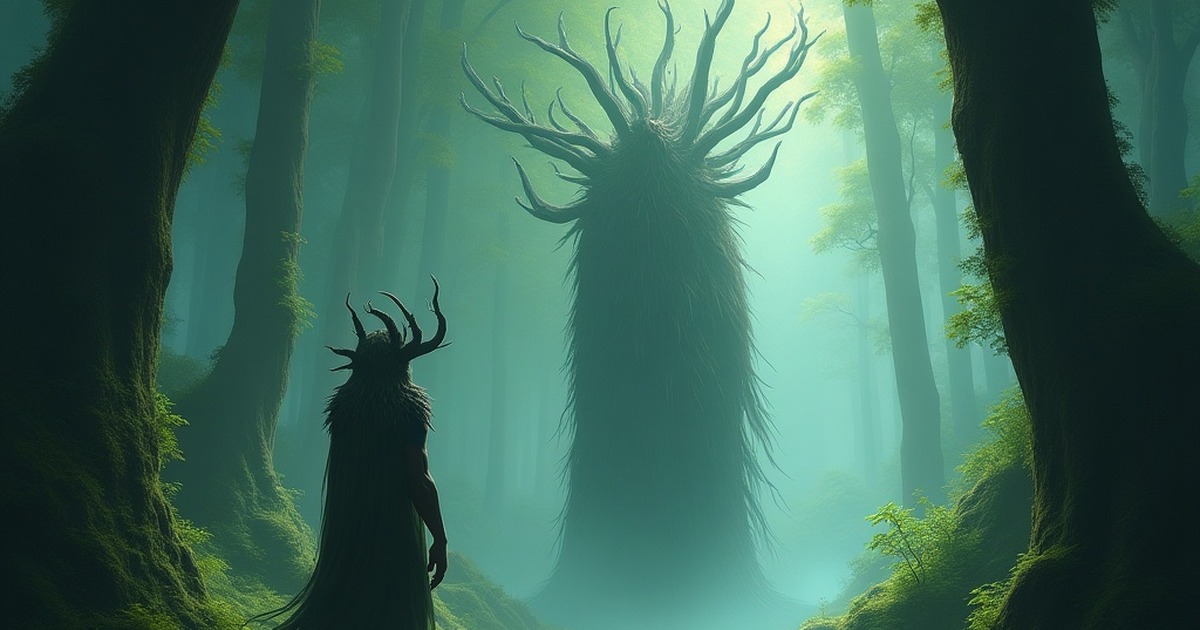
- Cernunnos: Horned god of nature and fertility
- The Morrígan: Triple goddess of war and fate
The Viking Way by Neil Price
Archaeological insights into Norse religious practices and beliefs
How Did Norse and Celtic Creation Myths Differ?
Creation stories reveal the deepest philosophical differences between these mythological systems. Recent archaeological discoveries from 2024-2025 have provided new insights into how these myths influenced daily life.
Norse Creation: From Ice and Fire
Norse cosmology began with Ginnungagap — a primordial void between the realms of ice (Niflheim) and fire (Muspelheim). When these forces met, they created Ymir, the first frost giant, whose body would eventually become the world.
Odin and his brothers killed Ymir and crafted the Nine Realms from his remains:
- His flesh became the earth
- His blood formed the seas
- His bones became mountains
- His skull formed the sky
Celtic Creation: Cycles of Rebirth
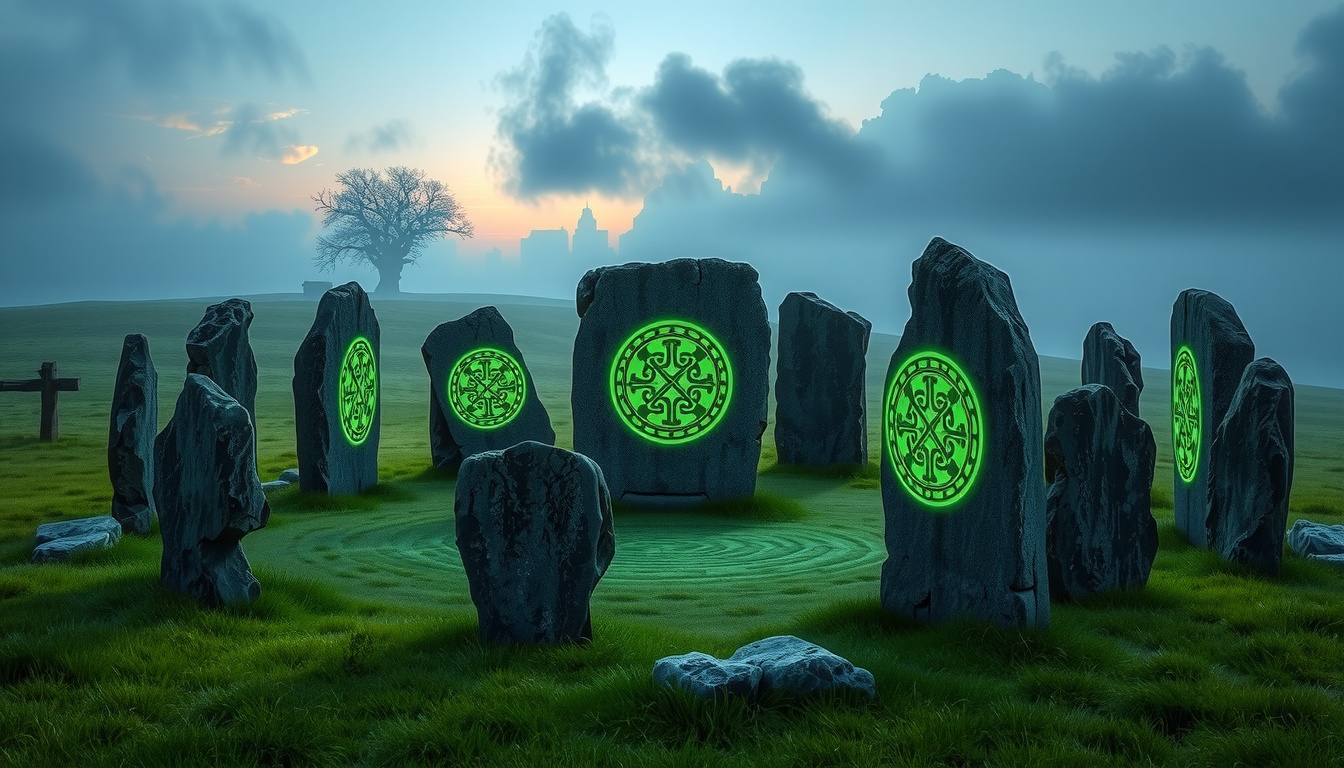
Celtic creation myths emphasized cyclical time rather than linear progression. The Celts believed in multiple worlds existing simultaneously, accessible through sacred sites like stone circles and burial mounds.
Unlike the violent Norse creation, Celtic myths often featured gradual emergence from the Otherworld. The land itself was seen as a goddess — Danu for the Irish, Brigantia for the British Celts.
Which Mythology Is Older: Norse or Celtic?
Archaeological evidence suggests Celtic culture predates Norse civilization by several centuries. Celtic La Tène culture flourished from roughly 450 BCE, while recognizable Norse culture emerged around 200-400 CE.
Celtic Origins
Celtic mythology's roots trace back to the Hallstatt culture (800-450 BCE) and earlier Bronze Age traditions. The Celts spread across Europe before Roman expansion, establishing mythological traditions from Ireland to modern-day Turkey.
Norse Development
Norse mythology crystallized during the Migration Period (300-600 CE) and reached its peak during the Viking Age (793-1066 CE). Many Norse myths were recorded centuries later in Iceland's medieval manuscripts.
Did Vikings and Celts Share Any Mythology?
Vikings and Celts did interact extensively, creating fascinating mythological cross-pollination. This cultural exchange occurred primarily in Ireland, Scotland, and the Isle of Man during the Viking Age.
Areas of Overlap
Warrior Culture: Both traditions celebrated heroic warriors. Celtic heroes like Cú Chulainn shared characteristics with Norse champions like Sigurd.
Magic and Prophecy: Norse seiðr magic resembled Celtic druidic practices. Both cultures valued shape-shifting, prophecy, and communication with the dead.
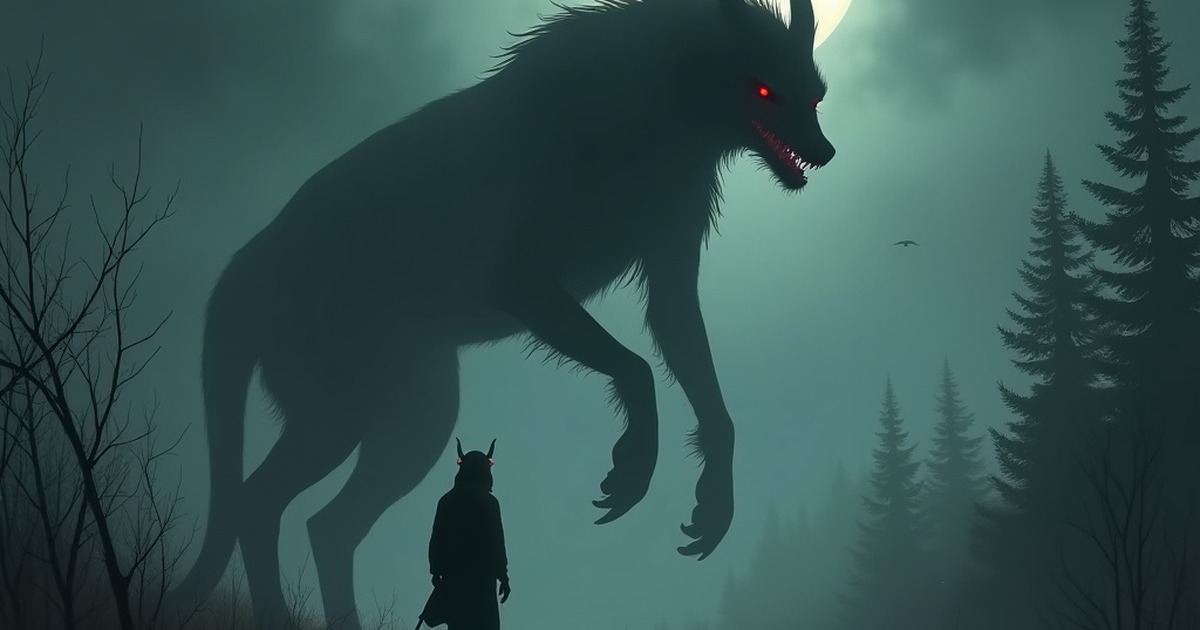
Ravens and Wolves: These animals held sacred significance in both traditions. Odin's ravens Huginn and Muninn parallel Celtic war goddesses who appeared as ravens.
Key Differences
Afterlife Concepts: Norse warriors hoped to reach Valhalla for eternal combat. Celts envisioned Tír na nÓg (Land of the Young) — a peaceful, timeless realm.
Fate and Free Will: Norse mythology emphasized inexorable fate (wyrd). Celtic traditions allowed more flexibility in destiny through proper rituals and wise choices.
Comparing Divine Powers: Odin vs Cernunnos
Examining specific deities reveals fundamental differences between these mythological systems. Let's compare two major figures who represent their respective traditions.
Odin: The All-Father
Odin embodied knowledge gained through sacrifice. He hung himself from Yggdrasil for nine days to learn the runes, and traded his eye for wisdom from Mímir's well.
Domains: War, death, poetry, wisdom, magic
Symbols: Ravens, eight-legged horse Sleipnir, spear Gungnir
Personality: Cunning, ruthless, willing to break oaths for greater purposes
Cernunnos: The Horned God
Cernunnos represented the wild, untamed aspects of nature and masculine fertility. Unlike Odin's warlike nature, Cernunnos embodied peaceful abundance and natural cycles.
Domains: Nature, animals, fertility, the underworld
Symbols: Antlers, serpents, coins, animals
Personality: Nurturing, protective, connected to natural rhythms
What Books Best Explain Norse vs Celtic Mythology?
Understanding these complex mythological systems requires quality sources. Here are the essential texts that modern scholars and enthusiasts rely on:
For Norse Mythology
The Norse Mythology by Neil Gaiman offers an accessible entry point. Gaiman's storytelling skills make ancient tales feel immediate and relevant.
Primary Sources:
- The Elder Edda (Poetic Edda)
- Snorri Sturluson's Prose Edda
- Saxo Grammaticus's History of the Danes
✅ Pros
- Masterful storytelling approach
- Accessible to modern readers
- Faithful to source material
❌ Cons
- Limited academic analysis
- Focuses on major myths only
For Celtic Mythology
Celtic sources are more fragmented due to oral tradition and historical disruption. The best collections include:
Celtic Myths and Legends by Squire
Comprehensive collection of Celtic folklore and mythological tales
Primary Sources:
- The Mabinogion (Welsh tales)
- The Ulster Cycle (Irish myths)
- The Book of Invasions (Lebor Gabála Érenn)
Modern Archaeological Discoveries
Recent excavations have revolutionized our understanding of both mythological traditions. In 2024, archaeologists discovered a Viking Age temple in Norway with intact seiðr ritual implements. Meanwhile, Celtic sacred sites in Britain revealed new evidence of druidic astronomical observations.
Norse Archaeological Evidence
- Gamla Uppsala: Confirmed massive temple complex matching Eddic descriptions
- Ship burials: Validate mythological importance of sea journeys to afterlife
- Runic inscriptions: Support Odin's association with writing and magic
Celtic Archaeological Findings
- Gundestrup Cauldron: Depicts Cernunnos and other Celtic deities
- Bog bodies: Evidence of ritual sacrifice to nature deities
- Stone circles: Align with Celtic seasonal festivals and astronomical events
Frequently Asked Questions
Q: Were Norse and Celtic mythologies ever practiced simultaneously in the same regions?
A: Yes, particularly in Ireland and Scotland during the Viking Age (9th-11th centuries). Archaeological evidence shows religious syncretism, where elements of both traditions blended together.
Q: Which mythology has more surviving written sources?
A: Norse mythology benefits from more complete medieval manuscripts, especially from Iceland. Celtic sources are more fragmentary due to oral tradition and historical disruptions from Roman and later conquests.
Q: How do these mythologies influence modern fantasy literature?
A: Both traditions heavily influence contemporary fantasy. Tolkien drew extensively from Norse sources for Middle-earth, while Celtic mythology inspires modern urban fantasy and neo-pagan movements.
Q: Are there any surviving practitioners of these ancient religions?
A: Modern Asatru (Norse heathenry) and Celtic reconstructionism attempt to revive these traditions, though they're necessarily interpretive rather than direct continuations of ancient practice.
Q: Which pantheon is larger — Norse or Celtic?
A: Celtic mythology likely had more deities overall due to its tribal nature, with each region worshipping local gods alongside pan-Celtic figures. Norse mythology had a more unified pantheon centered on the Æsir and Vanir.
Final Verdict: Choosing Your Mythological Journey
Both Norse and Celtic mythologies offer rich, complex worldviews that continue to captivate modern audiences. Norse myths excel at dramatic storytelling with clear character arcs leading to apocalyptic climax. Celtic traditions provide deeper nature mysticism and cyclical wisdom.
For beginners, I'd recommend starting with Norse mythology — its more unified narrative structure makes it easier to follow. Neil Gaiman's Norse Mythology remains unmatched for accessibility without sacrificing authenticity.
Ultimately, these aren't competing mythologies but complementary windows into the ancient European soul. Whether you're drawn to Thor's hammer or Brigid's forge, both traditions offer timeless wisdom wrapped in unforgettable stories.