Norse vs Greek Mythology: Complete Comparison Guide 2025
Two mythological traditions have captivated humanity for millennia — the dark, fatalistic tales from Scandinavia's frozen fjords and the dramatic epics from ancient Greece's sun-drenched islands. While both shaped Western literature and culture, they couldn't be more different in their worldviews.
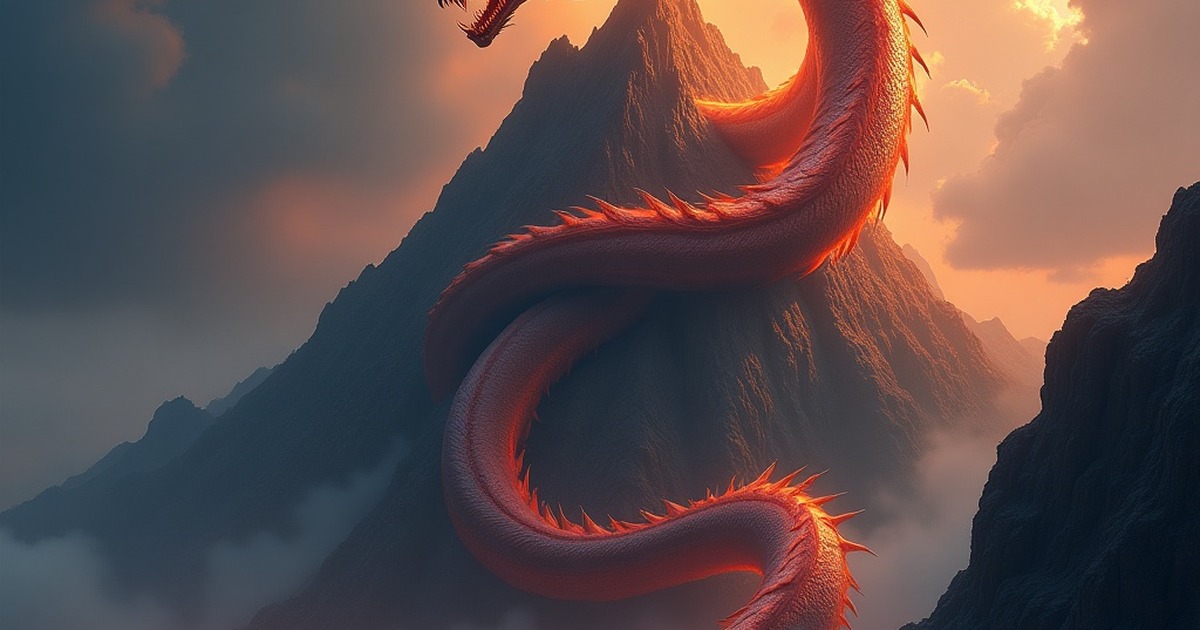
Norse mythology presents a universe destined for destruction through Ragnarök, where gods face inevitable doom alongside mortals. Greek mythology offers a more optimistic cosmos ruled by immortal Olympian gods who, despite their flaws, maintain eternal power. These fundamental differences in fate, geography, and cultural values created two distinct mythological systems that continue influencing modern fantasy and literature.
Disclosure: This article contains affiliate links. We may earn a commission at no extra cost to you.
Norse Mythology by Neil Gaiman
Perfect introduction to Norse myths with masterful storytelling
What Are the Main Differences Between Norse and Greek Gods?
The gods themselves reveal the core philosophical divide between these mythologies. Greek gods are immortal beings who rule from Mount Olympus with absolute power — they may suffer temporarily, but they never truly die. Zeus throws thunderbolts from his celestial throne, Poseidon commands the seas eternally, and Athena's wisdom endures forever.
Norse gods? They're essentially supercharged humans with expiration dates.
Odin knows he'll die at Ragnarök, devoured by the wolf Fenrir. Thor will slay the World Serpent but perish from its poison. Even Balder the Beautiful, beloved by all, dies from a mistletoe dart — and stays dead until after the world's rebirth. This mortality makes Norse gods more relatable but infinitely more tragic.
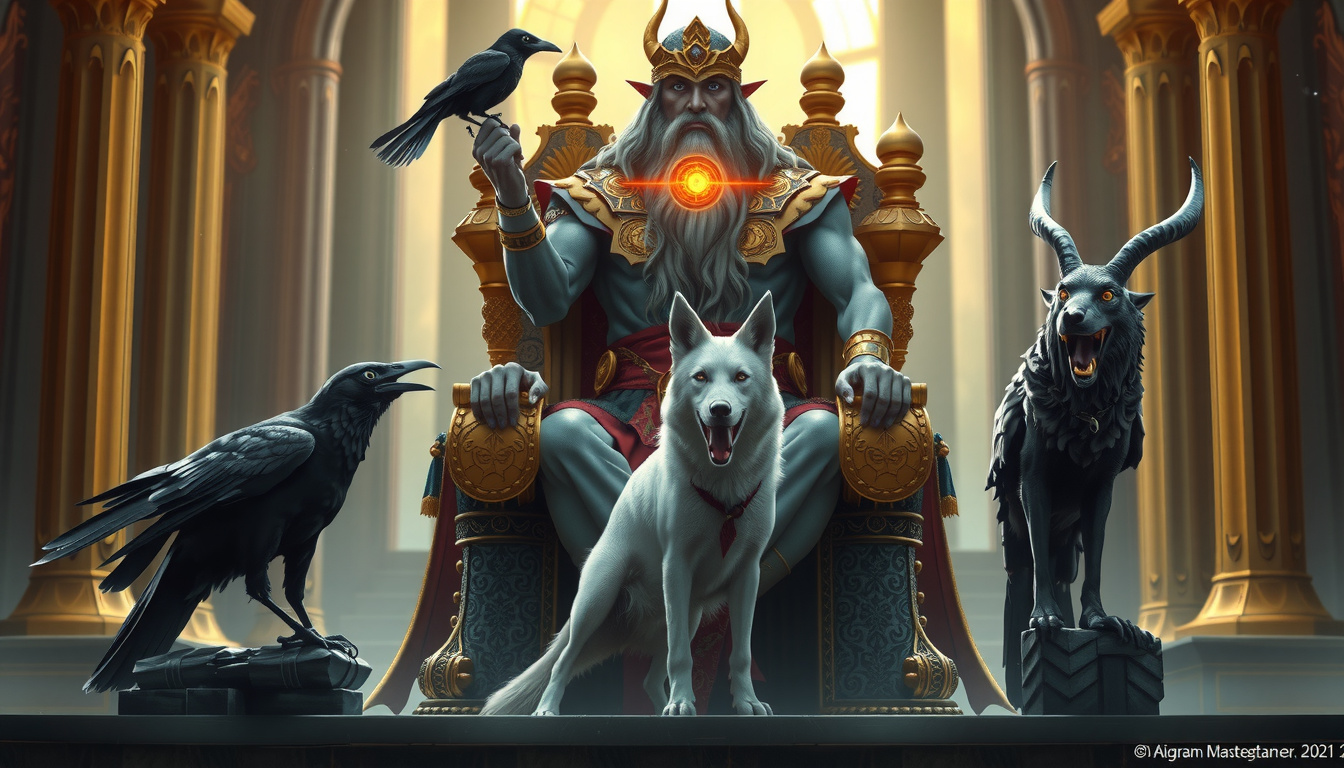
Power Structures: Greek mythology operates like a divine monarchy. Zeus rules the sky, Poseidon the seas, Hades the underworld — clear hierarchies with defined roles. Norse mythology resembles more of a warrior clan. Gods gather in Gladsheim to debate, they intermarry with giants (their supposed enemies), and even Odin must bargain and sacrifice for knowledge.
Moral Complexity: Greek gods punish mortals for hubris but often display the same pride themselves. Norse gods regularly break oaths and trick each other — Loki's not the only deceiver in Asgard. While Greek myths often teach lessons about proper behavior toward gods, Norse myths acknowledge that even divine beings make questionable choices.
The Prose Edda by Snorri Sturluson
Primary 13th-century source for Norse mythology, essential for serious study
Which Mythology Is Older: Norse or Greek?
Greek mythology wins the age contest by several centuries, but the answer's more complicated than a simple timeline.
Greek myths appeared in written form around the 8th century BCE with Homer's Iliad and Odyssey. Archaeological evidence suggests these stories existed orally for centuries before Homer, possibly dating to the Bronze Age collapse around 1200 BCE. By 700 BCE, Hesiod's Theogony systematized Greek creation myths and divine genealogies.
Norse mythology's written sources come much later — our primary texts like the Prose Edda and Poetic Edda weren't compiled until the 13th century CE. However, these stories definitely existed in oral tradition long before Christian scribes wrote them down. Runic inscriptions and archaeological evidence suggest recognizable Norse mythological themes by the 2nd-3rd centuries CE.
The Viking Age Explosion: Norse mythology reached its full flowering during the Viking Age (793-1066 CE). This period saw the development of complex cosmologies, detailed god genealogies, and elaborate eschatological myths about Ragnarök. Ironically, we know these “pagan” stories mainly because Christian scholars like Snorri Sturluson preserved them.
Shared Indo-European Roots: Both mythologies descend from common Proto-Indo-European religious traditions dating back 4,000-5,000 years. Similar themes appear in both — sky fathers (Zeus/Odin), thunder gods (Zeus again/Thor), and cosmic trees (World Tree concepts in both traditions).
Are Norse or Greek Myths More Violent?
If you're measuring pure body count, Greek mythology probably wins — the Trojan War alone lasted ten years with divine intervention escalating the carnage. But Norse mythology wins for existential dread.
Greek violence often serves justice or teaches lessons. Medusa gets transformed for defiling Athena's temple. Tantalus suffers eternal punishment for serving his son to the gods. Even the brutal Trojan War begins with Paris's violation of hospitality laws. Violence has consequences, but the cosmic order continues.
Norse violence feels more personal and inevitable. Odin hangs himself from Yggdrasil for nine days, pierced by his own spear, to gain knowledge of the runes. He sacrifices his eye to drink from the Well of Wisdom. The gods chain their own “son” Fenrir because prophecy says the wolf will devour Odin — thereby ensuring Fenrir's hatred and fulfilling the prophecy.
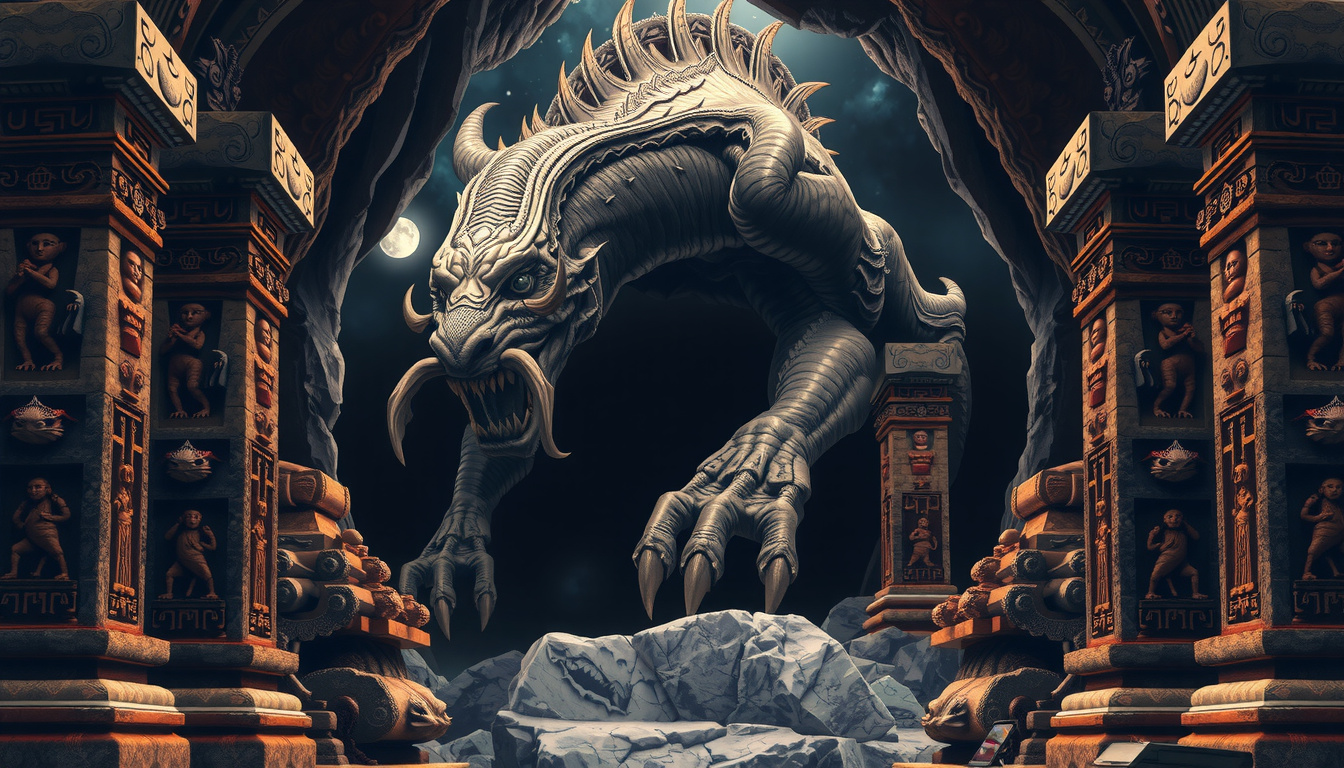
Ragnarök vs. Golden Age: The ultimate difference lies in their endgames. Greek mythology looks toward eternal divine rule — Zeus overthrew the Titans and will reign forever. Norse mythology climaxes with Ragnarök, where gods and giants annihilate each other. Yes, the world regenerates afterward, but most of the characters we've grown attached to stay dead.
Cultural Context: Greek city-states valued order, philosophy, and civilization. Their myths reflect hopes for justice and proper behavior. Viking society valued courage, honor, and preparation for inevitable conflict. Their myths prepared warriors for glorious death rather than comfortable life.
How Did Geography Influence Norse and Greek Mythology?
Environment shapes mythology as much as human imagination does. The Mediterranean's warm climate, fertile islands, and predictable seasons created gods who embodied abundance and eternal beauty. Scandinavia's harsh winters, dangerous seas, and months of darkness forged myths about survival, sacrifice, and inevitable endings.
Greek Geographic Influences:
- Island Culture: Scattered Greek city-states across islands needed gods who controlled sea travel — hence Poseidon's crucial role
- Agricultural Abundance: Fertile valleys supported complex civilizations, reflected in gods of harvest like Demeter
- Mountain Barriers: Natural boundaries between regions created distinct local deities later unified in pantheons
- Mediterranean Trade: Cultural exchange introduced foreign elements — Dionysus likely originated in Thrace or Asia Minor
Norse Environmental Factors:
- Harsh Winters: Survival required community cooperation — reflected in gods who die protecting each other
- Dangerous Seas: Viking expansion needed divine protection for risky voyages — Ægir and Ran rule treacherous oceans
- Limited Daylight: Months of darkness created myths about light's precious, temporary nature
- Forested Landscapes: Dense woods filled with wolves and bears became homes for giants and monsters
Consider their respective “heavens” — Mount Olympus sits above clouds in eternal sunshine, where gods feast on ambrosia and nectar. Valhalla prepares warriors for the final battle through daily combat and nightly feasting on mead and boar meat. One represents eternal pleasure, the other eternal preparation for war.
What Books Should I Read to Learn About Norse vs Greek Mythology?
The best approach combines modern retellings with classical sources — you need both accessibility and authenticity to truly understand these rich traditions.
For Norse Mythology:
Start with Norse Mythology by Neil Gaiman — it's simply the best introduction available in 2025. Gaiman retells the classic stories from creation through Ragnarök with his signature blend of darkness and humor. His prose makes complex genealogies understandable while preserving the myths' essential strangeness.
✅ Pros
- Perfect for beginners
- Engaging modern prose
- Faithful to source material
- Excellent audio version
❌ Cons
- Limited coverage of lesser myths
- Some scholars debate interpretations
- More retelling than analysis
Follow up with the Prose Edda by Snorri Sturluson — our primary source for Norse mythology. Written around 1220 CE by an Icelandic scholar, it preserves stories that would otherwise be lost. The language feels archaic, but you're reading mythology as close to its original form as possible.
For Greek Mythology:
Mythology by Edith Hamilton remains the gold standard after seven decades. Hamilton draws from Homer, Hesiod, Aeschylus, and other classical sources to create coherent narratives from scattered references. Her 1942 book introduced millions of readers to Greek myths and continues selling strongly today.
Bullfinch's Mythology
Comprehensive collection including Greek, Roman, and some Norse myths in Victorian prose
Advanced Reading: Once you've mastered the basics, explore Rick Riordan's modern adaptations for fun, then dive into primary sources like Homer's Iliad and Odyssey or the Poetic Edda for authentic ancient voices.
Creation Myths: Order vs. Chaos
How the world began reveals everything about how these cultures viewed existence itself.
Greek creation starts with Chaos — a void from which Gaia (Earth), Tartarus (Underworld), and Eros (Love) emerge. Through a series of generational conflicts, younger gods overthrow older ones until Zeus establishes permanent order. The message? Civilization triumphs over primordial chaos through intelligence and proper hierarchy.
Norse creation begins with Ginnungagap, a yawning void between realms of fire (Muspelheim) and ice (Niflheim). When fire and ice meet, they create the giant Ymir, whose body becomes the world after the gods kill him. From the beginning, creation requires destruction — and the pattern repeats at Ragnarök when the current world dies to birth a new one.
Cyclical vs. Linear Time: Greeks conceived mostly linear progression — Titans give way to Olympians who rule eternally. Norse mythology embraces cycles — worlds die and are reborn, gods fall and new ones rise. This reflects different survival strategies: settled agricultural peoples need stable institutions, while warrior cultures must adapt to constant change.
Afterlife Concepts: Elysium vs. Valhalla
Where you go after death depends entirely on which mythology governs your universe.
Greek afterlife divides souls by moral worth. Heroes reach the Elysian Fields for eternal bliss. Ordinary people endure the gray existence of Hades — not punishment, just endless, joyless existence. Only the truly wicked suffer in Tartarus. Your earthly actions determine your eternal fate.
Norse afterlife divides souls by manner of death. Die gloriously in battle? Welcome to Valhalla, where you'll feast and fight until Ragnarök calls. Die in bed from disease or old age? You're bound for Hel's realm — again, not punishment, just a cold, dim reflection of life. Courage matters more than conventional morality.
But here's the crucial difference — even Valhalla's heroes face final death at Ragnarök. Greek heroes enjoy true immortality while Norse heroes earn the privilege of dying for a worthy cause.
Modern Cultural Impact and Adaptations
Both mythologies dominate modern fantasy, but they've taken different cultural paths.
Greek mythology established the template for Western literature — heroic journeys, tragic flaws, divine intervention in human affairs. From Shakespeare to Rick Riordan's Percy Jackson series, Greek mythological patterns remain instantly recognizable. Marvel's Thor movies may have popularized Norse gods, but they're essentially Greek gods in Norse costumes — immortal beings with family drama.
Norse mythology appeals to modern audiences through its moral complexity and finite universe. J.R.R. Tolkien drew heavily on Norse sources for The Lord of the Rings. Recent video games like God of War (2018) and Assassin's Creed Valhalla explore Norse themes of family, sacrifice, and inevitable endings. The mythology's pessimism resonates with contemporary concerns about climate change and social upheaval.
Literary Evolution: Greek myths emphasize individual heroism and divine justice. Norse myths focus on community survival and accepting fate with dignity. Modern fantasy borrows from both traditions — Greek mythology provides plot structures while Norse mythology supplies emotional depth and moral ambiguity.
Frequently Asked Questions
Q: Can you practice Norse or Greek mythology as a religion today?
A: Yes — modern Heathenry/Ásatrú reconstructs Norse religious practices while Hellenistic polytheism revives Greek traditions. Both movements emphasize historical accuracy and personal spirituality rather than literal mythological belief.
Q: Why are Norse gods more popular in modern media than Greek gods?
A: Norse mythology's themes of sacrifice, family loyalty, and facing inevitable doom resonate with contemporary anxieties. Greek mythology can feel more distant because its gods are truly immortal and often unsympathetic.
Q: Which mythology has better female representation?
A: Both have complex female figures, but in different ways. Greek mythology features powerful goddesses like Athena and Artemis who control major domains. Norse mythology has fierce warriors like the Valkyries and wise figures like Frigg, but fewer prominent goddesses overall.
Q: Are there any historical connections between Norse and Greek cultures?
A: Vikings traded extensively throughout the Mediterranean and established settlements in places Greeks had colonized centuries earlier. Archaeological evidence shows cultural exchange, though the mythologies developed largely independently.
Q: Which mythology is easier for beginners to understand?
A: Greek mythology has more systematic organization and clearer moral lessons, making it slightly easier for beginners. Norse mythology's interconnected family relationships and complex cosmology require more attention to detail.
Final Verdict: Which Should You Explore First?
Both mythologies offer irreplaceable insights into human nature and cultural development, but your personality might determine where to start.
Choose Greek mythology if you enjoy complex political intrigue, moral philosophy, and stories about justice. The gods' immortality and clear hierarchies make them easier to track, while the myths' influence on Western literature provides context for countless other works.
Choose Norse mythology if you prefer psychological realism, moral ambiguity, and stories about facing impossible odds with dignity. The gods' mortality and internal conflicts make them more relatable, while their cultural themes speak directly to modern concerns about environmental destruction and social collapse.
Honestly? You need both. Greek mythology provides the foundation for understanding Western storytelling traditions. Norse mythology offers the emotional complexity that makes modern fantasy compelling. Start with whichever calls to you, but don't stop there.
The ancient Greeks believed in eternal divine order while the Norse accepted cosmic cycles of destruction and renewal. In 2025, as we face our own uncertain future, both perspectives offer wisdom — sometimes we need Zeus's confidence in permanent institutions, sometimes we need Odin's preparation for inevitable change. The real magic lies not in choosing sides, but in understanding how two cultures created such profoundly different yet equally compelling visions of what it means to be human in a universe filled with forces beyond our control.