Norse vs Greek Mythology: 15 Key Differences 2025 Guide
Ever wondered why Thor wields a hammer while Zeus throws thunderbolts? The mythologies of ancient Greece and medieval Scandinavia couldn't be more different, despite both cultures worshipping powerful pantheons of gods and goddesses.
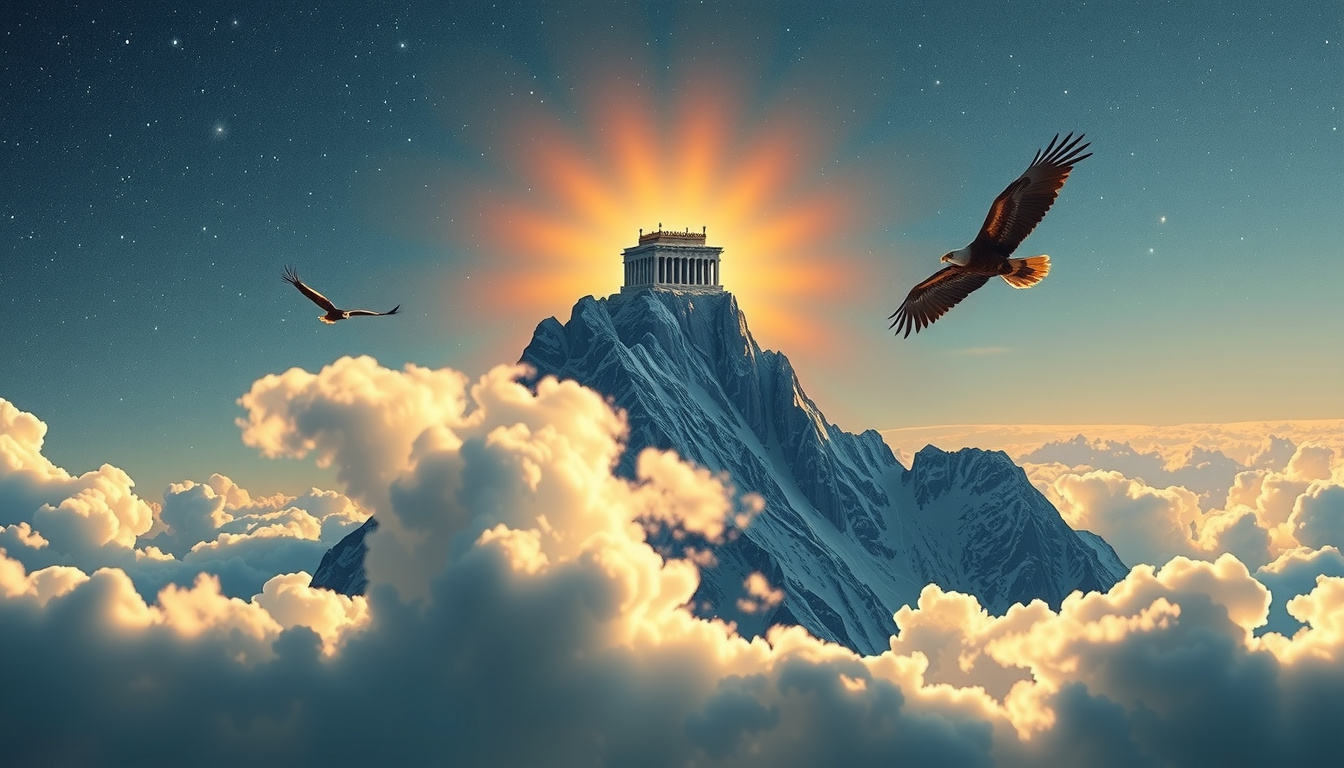
While Greek gods lived in eternal luxury atop Mount Olympus, Norse deities faced an inevitable apocalypse called Ragnarok. Greek heroes sought immortal glory, but Viking warriors aimed for an honorable death in battle. These aren't just different stories — they reflect fundamentally different worldviews about fate, mortality, and what it means to be human.
Quick Answer: The main differences between Norse and Greek mythology include mortality vs immortality of gods, cyclical vs linear time concepts, honor-based vs glory-based value systems, harsh vs idealized environments, and apocalyptic vs eternal worldviews. Norse mythology emphasizes fate and doom, while Greek mythology celebrates human potential and divine perfection.
Disclosure: This article contains affiliate links. We may earn a commission at no extra cost to you.
Neil Gaiman's Norse Mythology
Masterful retelling that brings ancient Norse tales to modern readers
What Are the Main Differences Between Norse and Greek Gods?
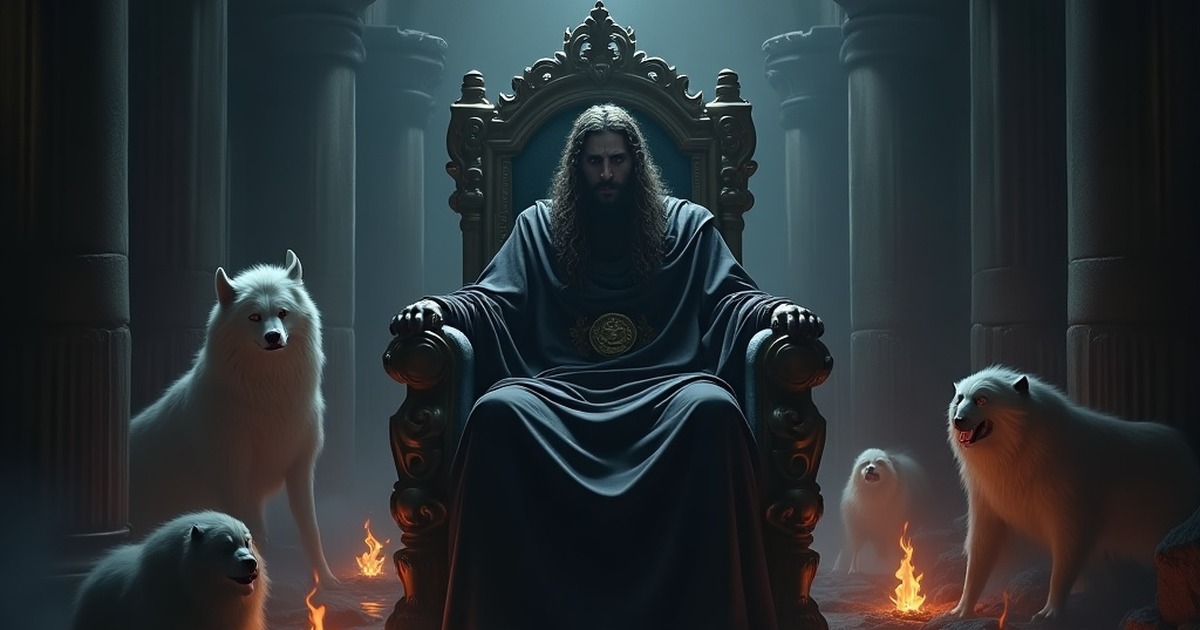
The fundamental distinction lies in mortality. Greek gods are immortal beings who feast on ambrosia and nectar, maintaining eternal youth and power. They can be wounded or temporarily incapacitated, but death remains impossible for them.
Norse gods, however, face genuine mortality. Odin constantly seeks wisdom because he knows Ragnarok — the twilight of the gods — will eventually claim him and his pantheon. This creates a sense of urgency and melancholy absent from Greek mythology.
Power Sources: Greek gods derive strength from worship and their divine nature. Zeus rules through absolute authority, while Poseidon controls the seas by birthright. Norse gods rely more on magical artifacts and constant vigilance. Odin's ravens gather intelligence, Thor needs Mjolnir for his thunder powers, and the gods depend on Idunn's apples to maintain their youth.
Personality Traits: Greek deities embody human emotions amplified to cosmic proportions. They're petty, jealous, and vindictive — think Hera's endless revenge plots against Zeus's lovers. Norse gods show more restraint and wisdom, though they're equally flawed. Odin sacrifices his eye for knowledge, displaying a pragmatic approach to power that Greek gods rarely match.
Which Mythology Is Older: Norse or Greek?
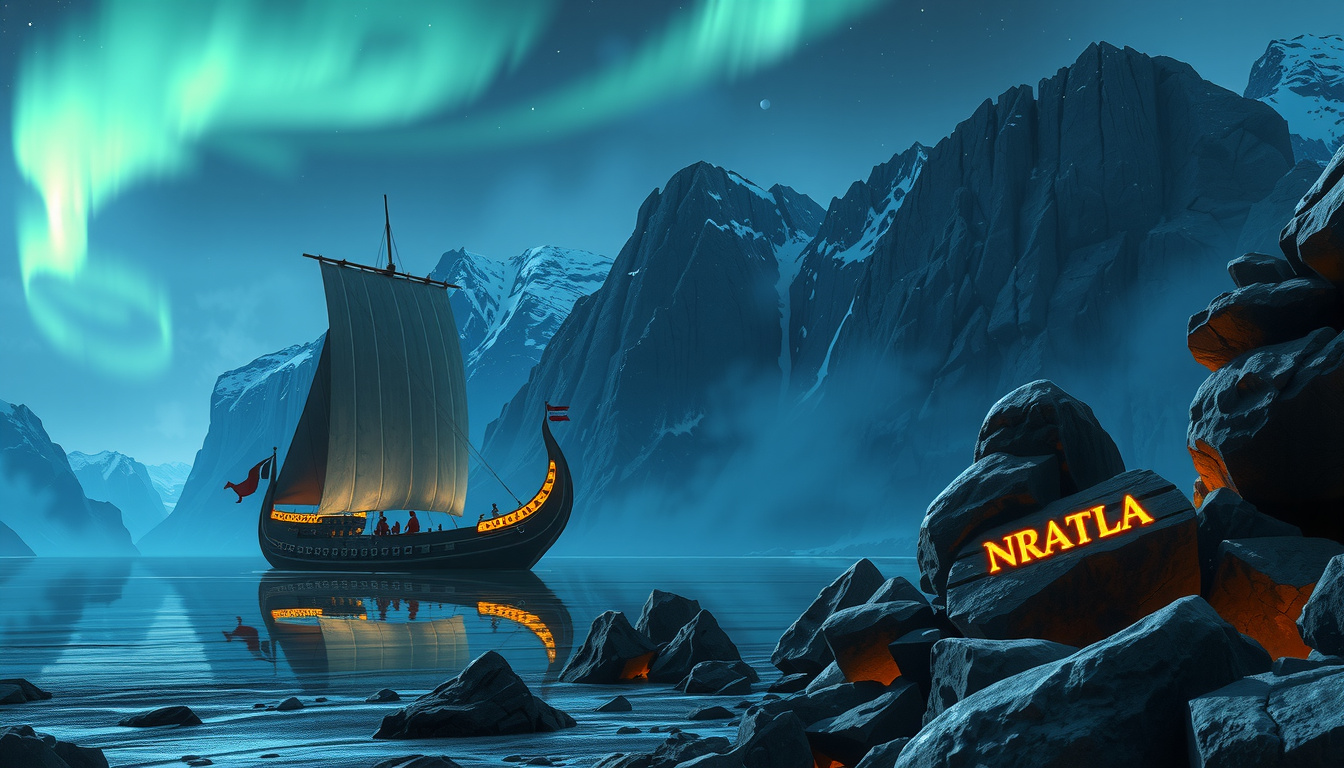
Greek mythology significantly predates Norse mythology in written form. Homer's Iliad and Odyssey date to the 8th century BCE, while our primary Norse sources — the Prose Edda and Poetic Edda — weren't compiled until the 13th century CE.
However, this doesn't tell the complete story. Both mythologies grew from older Indo-European traditions, but they developed in different directions. Greek myths were preserved through continuous literary tradition, while Norse mythology relied on oral transmission for centuries before Snorri Sturluson finally recorded them in Iceland.
Archaeological Evidence: Greek religious artifacts appear around 1500 BCE during the Mycenaean period. Norse religious symbols and practices can be traced to around 200-300 CE, though some scholars argue for earlier Proto-Germanic origins.
The Prose Edda by Snorri Sturluson
Essential primary source for understanding Norse cosmology and divine relationships
The age difference explains why Greek mythology feels more polished and literary, while Norse myths retain their raw, oral storytelling energy. Greek tales were refined through generations of poets and playwrights. Norse stories preserve their original bardic intensity.
Why Are Norse Gods Mortal But Greek Gods Immortal?
This difference reflects each culture's relationship with death and fate. Ancient Greeks viewed their gods as idealized beings who transcended human limitations. Death was something that happened to mortals — gods existed in a perfect realm beyond such concerns.
Norse culture, shaped by harsh Scandinavian environments and constant warfare, saw death as inevitable even for the divine. The concept of Ragnarok — where gods and giants destroy each other — mirrors the Viking worldview that even the greatest warriors must eventually fall.
Philosophical Implications: Greek immortal gods represent humanity's desire to overcome limitations. They embody perfected human traits: Zeus's authority, Athena's wisdom, Aphrodite's beauty. Norse mortal gods represent acceptance of limitation and the importance of facing fate with courage.
Cultural Values: Greeks admired excellence and achievement that could outlast death. Vikings valued dying well over living forever. This explains why Valhalla isn't about avoiding death — it's about earning a good death in the final battle.
The difference also appears in how each mythology handles time. Greek myths often cycle endlessly — Prometheus eternally punished, Sisyphus forever pushing his boulder. Norse time moves toward Ragnarok and eventual rebirth, making it fundamentally linear despite cyclical elements.
How Do Norse and Greek Creation Myths Differ?
Greek creation begins with Chaos — a void that gives birth to Gaia (Earth), Tartarus (the underworld), and Eros (love). From this emerges an orderly cosmos ruled by increasingly civilized generations of gods, culminating in Zeus's reign.
Norse creation starts with Ginnungagap — a yawning void between the fire realm Muspelheim and ice realm Niflheim. When fire and ice meet, they create the primordial giant Ymir, whose body becomes the world when Odin and his brothers kill him. The first humans, Ask and Embla, are carved from ash and elm trees.
Violence and Order: Both myths involve violence, but differently. Greek creation moves from primitive chaos toward civilized order. The Titanomachy (war against the Titans) establishes Zeus's ordered rule. Norse creation begins with murder — the cosmos literally built from a corpse — and ends with universal destruction at Ragnarok.
Tree Symbolism: Both mythologies feature world trees, but with different meanings. The Greek tree of life grows in the Garden of the Hesperides, bearing golden apples of immortality. Yggdrasil, the Norse world tree, connects all nine realms but constantly suffers attack from the dragon Níðhöggr gnawing at its roots.
Human Creation: Greek humans are crafted by Prometheus from clay and given fire stolen from the gods. This emphasizes humanity's divine spark and potential. Norse humans are carved from trees by gods who find them lifeless — they receive breath, spirit, and physical senses as gifts, making them more dependent on divine favor.
What Are the Similarities Between Thor and Zeus?
Both Thor and Zeus wield thunderous power and lead divine armies, but their similarities end there. Zeus rules as king of the gods through political cunning and overwhelming authority. Thor serves as Midgard's protector through straightforward strength and unwavering duty.
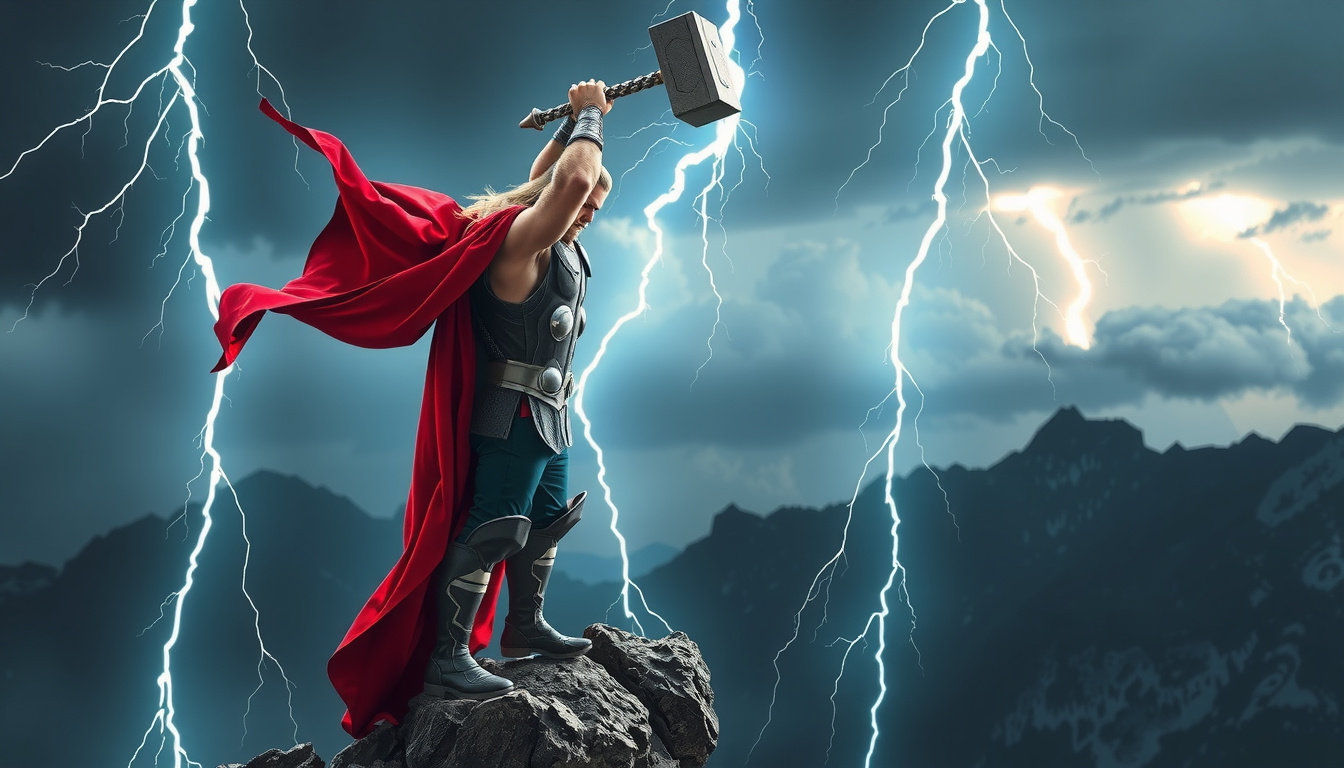
Weapons and Symbols: Zeus throws lightning bolts crafted by the Cyclopes, representing his role as sky father and supreme deity. Thor swings Mjolnir, a hammer that never misses and always returns, symbolizing his role as protector and giant-slayer.
Personality Differences: Zeus is sophisticated, manipulative, and sexually promiscuous — he transforms into animals to seduce mortal women and constantly cheats on Hera. Thor is straightforward, honest, and devoted to his wife Sif. He solves problems with strength rather than cleverness.
Their roles in their respective pantheons reflect cultural values. Zeus embodies Greek ideals of leadership through superior intelligence and political acumen. Thor represents Viking values of loyalty, courage, and protecting one's community through personal sacrifice.
Environmental and Cultural Influences
Geography shaped both mythologies profoundly. Greece's Mediterranean climate and sea-focused culture created gods associated with beauty, art, and naval power. Poseidon rules vast oceans, Apollo brings artistic inspiration, and Aphrodite embodies physical beauty.
Scandinavia's harsh winters and land-based warrior culture produced gods focused on survival and warfare. Odin seeks knowledge to postpone doom, Thor protects against giants (representing natural disasters), and Freyr ensures agricultural fertility in difficult growing conditions.
Social Structure: Greek gods mirror aristocratic society — they feast, debate, and engage in complex political relationships on Mount Olympus. Norse gods work for survival. They build walls, gather intelligence, and prepare for inevitable conflict.
Afterlife Concepts: Greek afterlife separates souls by moral judgment. Heroes go to Elysium, ordinary people to the neutral Asphodel Meadows, and villains to Tartarus. Norse afterlife focuses on how someone died rather than how they lived. Warriors who die in battle go to Valhalla, while others go to Hel's realm regardless of moral character.
Hero Archetypes and Values
Greek heroes like Achilles and Odysseus seek kleos — immortal glory that outlasts death. They perform great deeds to be remembered in epic poetry. Personal honor matters, but eternal fame matters more.
Norse heroes value duty and loyalty over personal glory. Sigurd the dragon-slayer and the warriors of the Volsung saga face their doom courageously, knowing their actions protect others. The hero isn't someone who avoids death, but someone who dies well for the right reasons.
D'Aulaires' Book of Greek Myths
Beautifully illustrated introduction perfect for visual learners and families
Women in Mythology: Greek heroines like Helen of Troy and Cassandra often serve as catalysts for male heroes' stories or as victims of divine wrath. Norse heroines like Brunhild and the Valkyries possess independent power and make crucial decisions that affect the fate of gods and men.
Tragedy and Fate: Greek tragedy stems from hubris — heroes who overreach and anger the gods face inevitable punishment. Norse tragedy comes from fate itself — heroes who do everything right still face doom because that's how the world works.
Magic Systems and Supernatural Elements
Greek magic operates through divine favor and natural law. Gods grant heroes special abilities or magical items, but these powers follow consistent rules. Hermes' winged sandals provide flight, but they're technological rather than mystical.
Norse magic (seidr) is more shamanistic and mysterious. Odin practices divination and shapeshifting, powers traditionally associated with female practitioners. Magic users like the Volva (Norse wise women) can see fate but rarely change it.
Prophecy and Oracles: Greek oracles provide cryptic warnings that heroes typically misinterpret, leading to ironic fulfillment. The Oracle at Delphi tells Oedipus he'll kill his father and marry his mother — his attempts to avoid this fate ensure it happens.
Norse prophecy is clearer but more fatalistic. Everyone knows Ragnarok is coming and roughly what will happen. The gods can't prevent it, only face it with appropriate courage. This reflects different cultural attitudes toward free will and determinism.
Religious Practices and Worship
Ancient Greeks worshipped through elaborate public festivals, temple sacrifices, and mystery cults. The Panathenaea honored Athena with processions and athletic competitions. The Eleusinian Mysteries promised initiates blessed afterlife.
Norse religious practice was more personal and practical. Warriors dedicated weapons to Odin before battle, farmers sacrificed to Freyr for good harvests, and travelers invoked Thor for protection. Blóts (Norse sacrificial feasts) strengthened community bonds.
Seasonal Celebrations: Greek festivals followed agricultural cycles but emphasized civic identity. The Dionysiac festivals included dramatic competitions that produced great tragedies and comedies.
Norse seasonal celebrations focused on survival through harsh winters. Jól (Yule) marked the winter solstice with feasting and gift-giving to maintain community solidarity during the darkest time of year.
✅ Greek Mythology Strengths
- Rich literary tradition with multiple sources
- Complex psychological character development
- Sophisticated philosophical themes
- Extensive influence on Western art and literature
✅ Norse Mythology Strengths
- Unique apocalyptic worldview
- Strong female characters and gender equality
- Realistic portrayal of mortality and loss
- Atmospheric storytelling with emotional depth
Modern Influence and Adaptations
Both mythologies continue influencing popular culture, but in different ways. Greek myths provide the foundation for Western literary tradition — from Shakespeare's references to modern superhero origin stories. Marvel's Thor comics blend Norse mythology with superhero conventions.
Norse mythology has experienced a renaissance in the 21st century. Video games like God of War and Assassin's Creed Valhalla explore Norse themes of fate and family. TV shows like Vikings and The Last Kingdom introduce Norse values to modern audiences.
Academic Study: Greek mythology benefits from continuous scholarly attention since the Renaissance. Norse mythology faced centuries of neglect but now enjoys renewed academic interest, particularly in gender studies and environmental humanities.
Psychological Applications: Freud and Jung drew heavily on Greek myths to explain human psychology — the Oedipus complex, archetypal theory. Modern therapy increasingly references Norse concepts like accepting fate while maintaining personal agency.
Frequently Asked Questions
Q: Are there any connections between Greek and Norse mythologies?
A: Both derive from Proto-Indo-European traditions, sharing some basic structures like sky father figures (Zeus/Odin) and thunder gods (Zeus/Thor). However, they developed independently and show more differences than similarities due to different cultural evolution over centuries.
Q: Which mythology is better for beginners?
A: Greek mythology offers more accessible entry points through familiar stories like the Trojan War and clear moral lessons. Norse mythology requires more cultural context but provides unique perspectives on fate and mortality that many find more emotionally resonant.
Q: Do any Norse and Greek gods have similar roles?
A: Some functional parallels exist: Odin and Zeus both rule their pantheons, Frigg and Hera both serve as divine queens, and Loki and Hermes both function as trickster messengers. However, their personalities and methods differ significantly.
Q: How accurate are modern adaptations of these mythologies?
A: Most modern adaptations take significant creative liberties. Marvel's Thor bears little resemblance to the Norse original, while Disney's Hercules completely reimagines Greek myths. For authentic versions, consult primary sources and scholarly translations.
Q: Which mythology has stronger female characters?
A: Norse mythology generally portrays more independent and powerful female figures. Valkyries choose who dies in battle, Frigg can alter fate, and goddesses like Freya command respect. Greek goddesses often face restrictions or punishment for asserting independence.
Final Verdict: Choosing Your Mythological Journey
Greek and Norse mythologies offer fundamentally different but equally valuable perspectives on human experience. Greek myths celebrate human potential, artistic achievement, and the power of reason to understand divine will. Norse myths embrace life's hardships, the inevitability of loss, and the importance of facing difficulty with courage.
Your preference might depend on temperament and life philosophy. Do you find inspiration in heroes who achieve immortal glory, or in warriors who face inevitable doom with dignity? Do you prefer gods who embody perfection, or deities who struggle with the same limitations as mortals?
Ultimately, both mythologies continue providing wisdom and inspiration after thousands of years. Whether you're drawn to Zeus's lightning or Odin's ravens, the journey into these ancient stories reveals timeless truths about courage, loss, love, and what it means to be human in an uncertain world.
For those starting their mythological journey, I recommend beginning with Edith Hamilton's classic overview before diving into specialized works like Neil Gaiman's Norse retellings or primary sources like Snorri's Prose Edda. The stories await — choose your path into these ancient worlds of gods, heroes, and timeless human truths.