Table of Contents
As we delve into the fascinating realm of underworld mythology across cultures, we find ourselves entwined in a rich tapestry of stories, legends, and beliefs that have captivated human imagination for centuries. The concept of an underworld, a place where the dead reside, is a common thread that weaves its way through the mythological narratives of various cultures, each with its unique twist and interpretation. In this guide, we'll embark on a journey to explore the diverse and intricate world of underworld mythology across cultures, uncovering the similarities and differences that make this subject so captivating.
Key Takeaways
- The concept of an underworld is a universal theme in mythology, appearing in various cultures around the world
- Each culture's underworld mythology has its unique characteristics, reflecting the society's values, beliefs, and traditions
- Understanding underworld mythology across cultures can provide insights into the human psyche, our fears, and our hopes
- By exploring these mythologies, we can gain a deeper appreciation for the diversity and richness of human cultural expression
Introduction to Underworld Mythology
The idea of an underworld, a place where the dead dwell, is a fundamental aspect of many mythological systems. From the ancient Greeks to the modern-day indigenous cultures of the Americas, the concept of an underworld has evolved, reflecting the cultural, social, and historical contexts of each society. Underworld mythology across cultures is a vast and complex subject, encompassing a wide range of themes, motifs, and characters. By examining these mythologies, we can gain a deeper understanding of the human experience, our relationship with death and the afterlife, and the ways in which our ancestors attempted to make sense of the world around them.
Exploring Underworld Mythologies
Let's take a closer look at some of the most fascinating underworld mythologies from around the world:
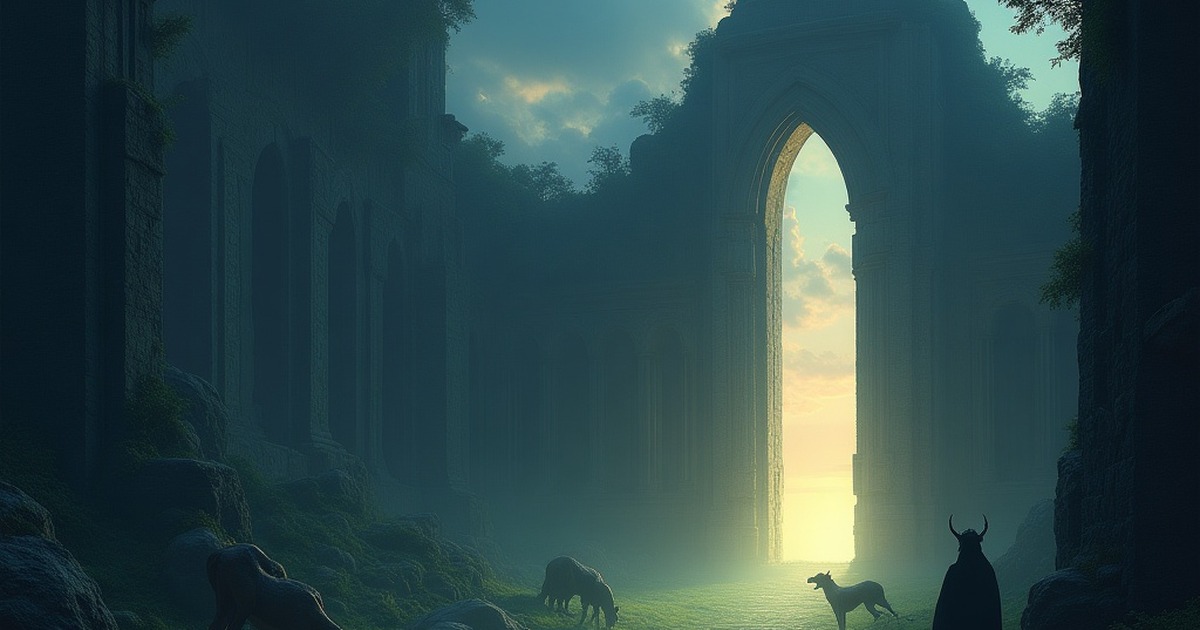
- In ancient Greek mythology, the underworld was ruled by Hades, a powerful god who controlled the gates of the afterlife. The Greeks believed that the dead would journey to the underworld, where they would be judged by Rhadamanthus and either sent to the Elysian Fields or Tartarus, depending on their deeds during life.
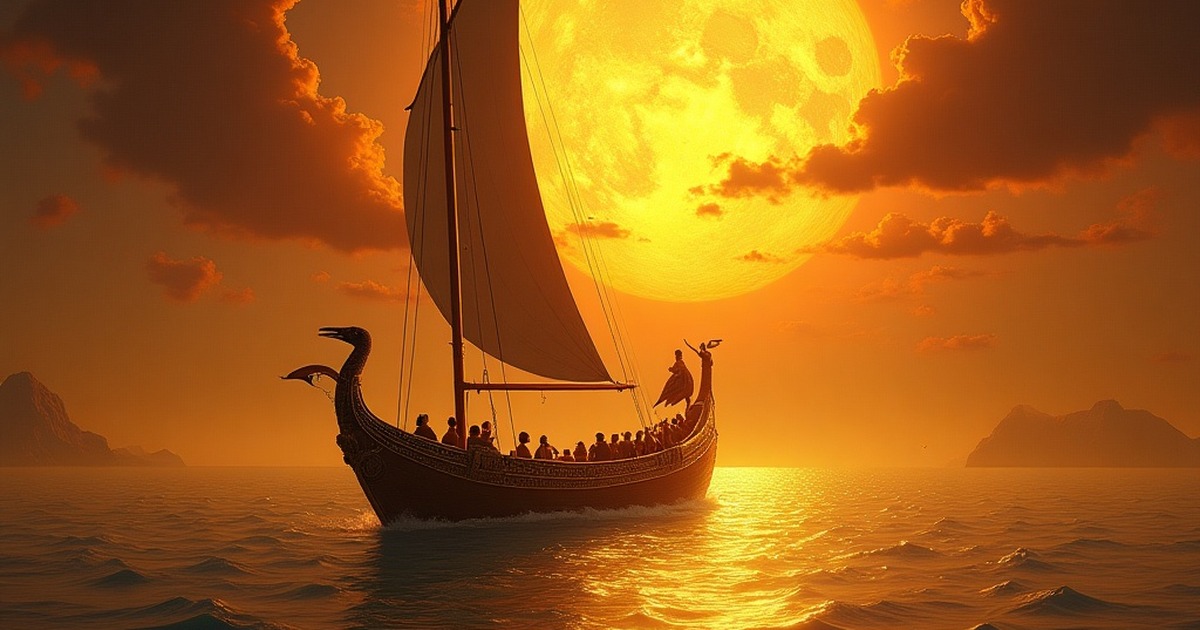
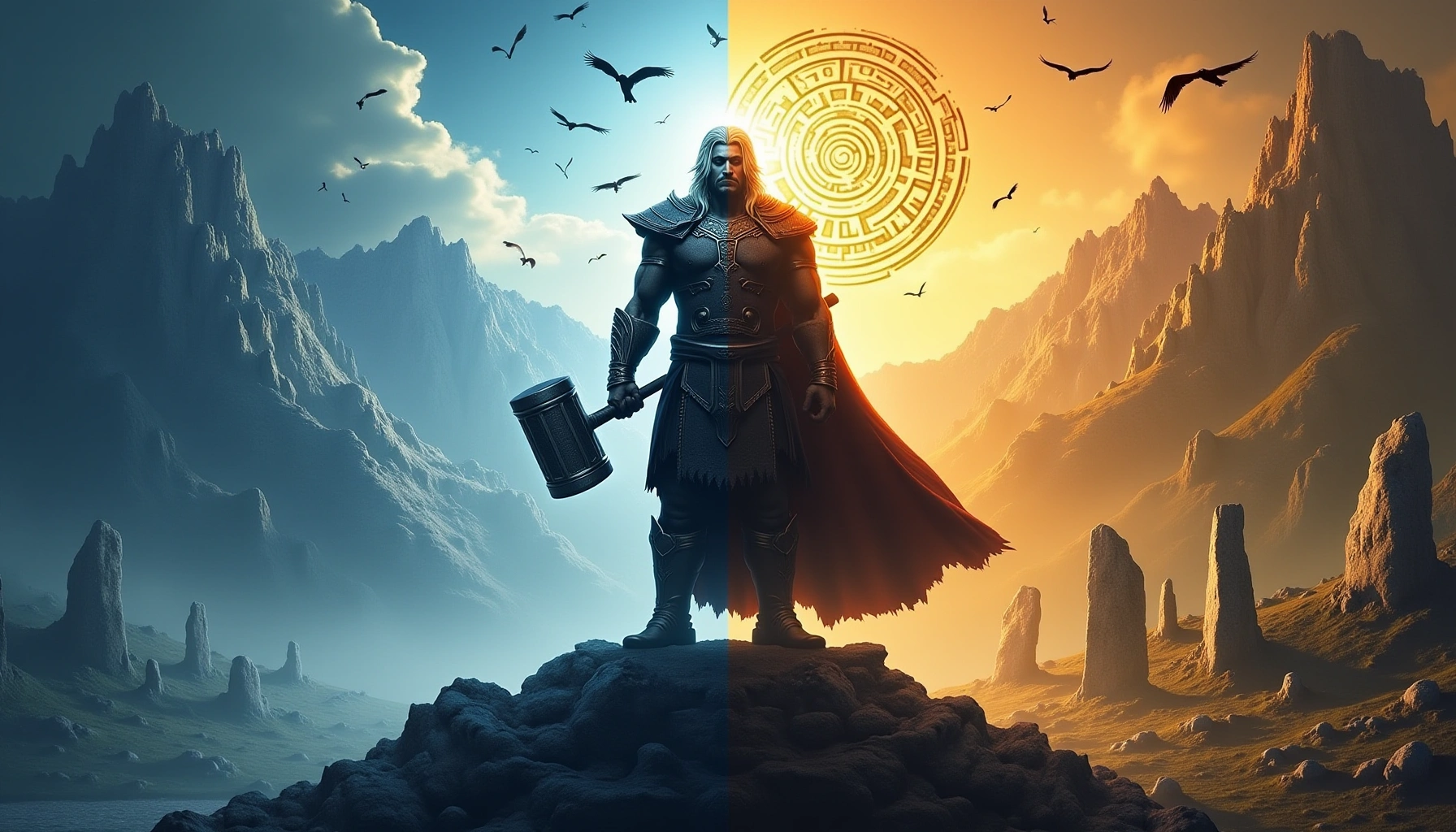
- In Norse mythology, the underworld was known as Hel, a cold and dark realm ruled by the goddess Hel. The Vikings believed that the dead would be taken to Hel, where they would be judged by the god Odin and either sent to Valhalla or left to suffer in the underworld.
- In many indigenous cultures of the Americas, the underworld is often associated with the spirit world, a place where the dead ancestors reside and continue to influence the lives of the living. These cultures believe that the underworld is a place of transformation, where the dead are reborn into a new existence.
Characteristics of Underworld Mythology
When examining underworld mythology across cultures, we can identify several common characteristics that appear across different cultures and traditions. These include:
Practical Applications of Underworld Mythology
While underworld mythology across cultures may seem like a purely academic subject, it has many practical applications in our everyday lives. By studying these mythologies, we can:
- Gain a deeper understanding of the human psyche and our relationship with death and the afterlife
- Develop a greater appreciation for the diversity and richness of human cultural expression
- Draw inspiration from the symbolic and metaphorical language of underworld mythologies, using it to inform our art, literature, and creative pursuits
- Use the themes and motifs of underworld mythology to explore complex social and philosophical issues, such as the nature of justice, morality, and the human condition
Tips for Exploring Underworld Mythology
If you're interested in delving deeper into the world of underworld mythology across cultures, here are some tips to get you started:
- Start by reading the classic works of mythology, such as Homer's Iliad and Odyssey or the Poetic Edda
- Explore the mythologies of different cultures, looking for common themes and motifs
- Use online resources and academic databases to research specific topics and themes
- Join online communities or discussion groups to connect with other enthusiasts and scholars of mythology
Conclusion
In conclusion, underworld mythology across cultures is a rich and fascinating subject that offers insights into the human experience, our relationship with death and the afterlife, and the diversity of human cultural expression. By exploring these mythologies, we can gain a deeper understanding of the world around us, develop a greater appreciation for the complexities of human nature, and draw inspiration from the symbolic and metaphorical language of underworld mythologies.
Frequently Asked Questions
Underworld mythology continues to captivate our imagination, inspiring art, literature, and popular culture. It also provides a window into the human psyche, allowing us to explore complex themes and issues related to death, morality, and the human condition.
Start by reading classic works of mythology, exploring online resources, and joining online communities or discussion groups. You can also try attending lectures, workshops, or conferences on mythology to learn from experts and enthusiasts.
Common themes and motifs in underworld mythology include the concept of a journey, the idea of judgment, the presence of a ruler or guardian, and the use of symbolism and metaphor. These themes and motifs appear across different cultures and traditions, reflecting the universal human experiences and concerns that underlie underworld mythology.
Yes, underworld mythology can be a powerful tool for personal growth and self-reflection. By exploring the symbolic and metaphorical language of underworld mythologies, we can gain insights into our own fears, hopes, and desires, and develop a greater understanding of ourselves and our place in the world.
Related Posts



Related Posts

The Mythical Chronicle
Gods, heroes and monsters, drawn from the primary sources.