Oni
Demons of Japanese Folklore
Overview
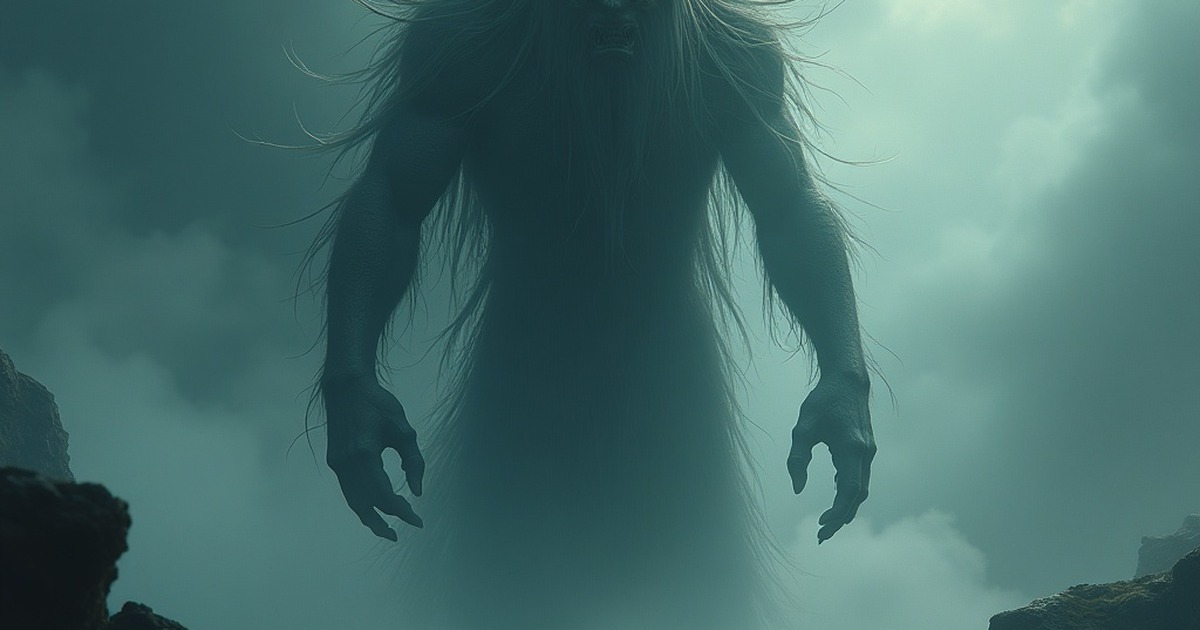
The Oni are among Japan's most recognizable supernatural beings—fearsome demons traditionally depicted with horned heads, wild hair, fanged mouths, and skin of vivid red or blue. They carry massive iron clubs (kanabō) and embody chaos, destruction, and the punishment of the wicked.
Yet the Oni are far more complex than simple monsters. Throughout Japanese history, their role has evolved from invisible spirits of disaster to visible demons of hell, from pure evil to ambiguous figures who might punish the wicked, test the virtuous, or even bring good fortune. This complexity reflects the Japanese cultural tendency to find nuance in supernatural beings.
Oni appear in countless folktales, religious texts, and artistic works. They are driven away during Setsubun festivals, feared as bringers of plague and misfortune, and yet also respected as powerful forces that, when properly appeased, might offer protection.
Origins & Evolution
The Invisible Oni
The word “oni” originally referred to invisible spirits associated with misfortune, disease, and natural disasters. The written character (鬼) derives from the Chinese word for ghost or spirit. These early oni were formless presences that caused harm but could not be seen—embodiments of the unknown terrors that plagued ancient communities.
Buddhist Influences
As Buddhism spread through Japan, the oni took on new dimensions. They became associated with Jigoku (Buddhist hell), serving as torturers of the damned under the command of Emma-ō, the King of Hell. In this role, oni punished sinners according to their crimes, making them agents of karmic justice rather than simply evil beings.
Visual Transformation
By the medieval period, oni had acquired their familiar appearance: large humanoid bodies, horned heads, fanged mouths, clawed hands, and brightly colored skin. This standardized image drew from various influences, including Chinese demon imagery, Indian Buddhist iconography, and indigenous Japanese spirit traditions.
Types of Oni
Aka-Oni (Red Oni)
The most common type, representing passion, anger, and desire. Red oni are often portrayed as more emotional and impulsive than their counterparts.
Ao-Oni (Blue Oni)
Associated with cold, calculating malevolence. Blue oni are often depicted as more intelligent and cunning than red oni.
Kuro-Oni (Black Oni)
Linked to darkness and death. Black oni are sometimes associated with plagues and the souls of the evil dead.
Midori-Oni (Green Oni)
Connected to disease and poison. Green oni may cause illness or represent the corruption of nature.
Famous Tales
Momotarō and the Oni Island
Japan's most beloved folk hero, Momotarō (the Peach Boy), famously led an expedition to Onigashima (Demon Island) to defeat a band of marauding oni who had been terrorizing villages and stealing treasure. With his companions—a dog, monkey, and pheasant—Momotarō conquered the demons and returned as a hero, symbolizing the triumph of courage and virtue over evil.
The Red Oni Who Cried
In this poignant tale, a red oni wishes to befriend humans but is feared due to his appearance. His blue oni friend devises a plan: the blue oni will attack a village, and the red oni will “defeat” him, winning human trust. The plan works, but the blue oni must leave forever. When the red oni discovers his friend's sacrifice, he weeps—a story about the cost of acceptance and true friendship.
Shuten-dōji
The most fearsome oni king in Japanese legend, Shuten-dōji ruled from Mt. Ōe, kidnapping nobles and drinking their blood. It took the legendary warrior Minamoto no Raikō and his band of heroes, armed with divine sake that weakened demons, to finally slay the monster. Even then, Shuten-dōji's severed head continued to attack.
🎭 Cultural Significance
Oni masks are central to Japanese performing arts, appearing in Noh theater, Kagura dance, and festival celebrations. The fierce expression serves both to frighten away evil spirits and to represent the oni that must be symbolically expelled during rituals like Setsubun.
Setsubun Festival
Driving Out the Demons
On February 3rd, Japanese families celebrate Setsubun by throwing roasted soybeans (fukumame) out the door or at a family member wearing an oni mask, chanting “Oni wa soto! Fuku wa uchi!” (“Demons out! Fortune in!”). This ritual cleanses the home of evil spirits before the arrival of spring.
Sacred Protection
Homes are decorated with sardine heads and holly leaves, believed to repel oni with their smell and spines. The practice reflects ancient beliefs about using symbolically powerful items to protect against supernatural harm—the same principle behind many protective charms and rituals across cultures.
Modern Presence
Oni remain ubiquitous in Japanese popular culture. They appear in anime, manga, video games, and films, sometimes as fearsome villains, sometimes as misunderstood creatures, and occasionally as heroes. The oni's flexibility as a symbol—capable of representing pure evil, karmic justice, or even sympathetic outsiders—ensures their continued relevance.
In modern Japanese, calling someone an “oni” can mean they're ruthless or demanding (like “oni coach” for a strict trainer), but it can also imply formidable skill. The word carries both negative and positive connotations, reflecting centuries of evolving attitudes toward these complex beings.
Continue Your Journey
The Oni share Japan's supernatural landscape with many other fascinating yōkai. Explore more creatures of Japanese mythology: