Quetzalcoatl
The Feathered Serpent of Mesoamerica
Overview
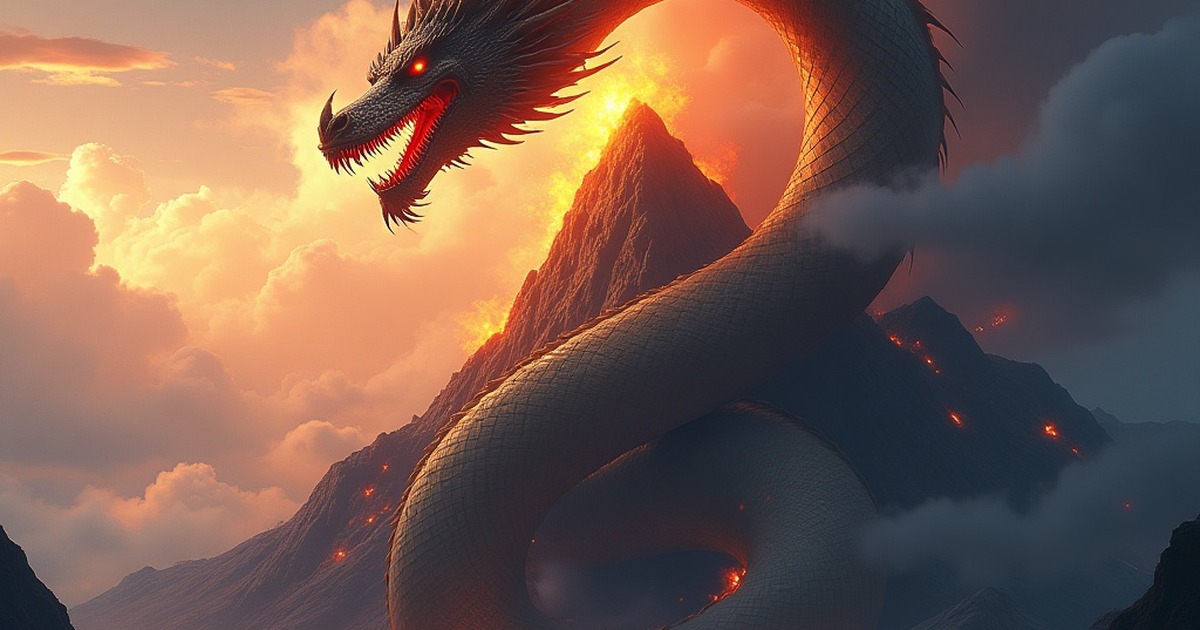
Quetzalcoatl, the Feathered Serpent, stands among the most important deities of ancient Mesoamerica. This magnificent being—combining the brilliant plumage of the quetzal bird with the serpent's sinuous form—represented the union of earth and sky, the bridge between human and divine.
Worshipped under various names across Mesoamerica for over 3,000 years, the Feathered Serpent was called Quetzalcoatl by the Aztecs, Kukulkan by the Maya, and Q'uq'umatz by the K'iche' Maya. Each culture developed unique traditions around this deity, yet all recognized the Feathered Serpent's fundamental nature as a bringer of wisdom, civilization, and the vital winds.
Unlike the dragons of other traditions, the Feathered Serpent was primarily benevolent—a culture hero credited with teaching humanity agriculture, calendrics, arts, and proper worship. The morning and evening stars (Venus) were his celestial manifestations, marking his eternal journey across the heavens.
Divine Nature
The Serpent and the Bird
The Feathered Serpent's imagery combines the quetzal—whose iridescent green feathers were more precious than gold to Mesoamerican peoples—with the serpent, associated with earth, water, and fertility. This fusion represented the unity of opposites: the crawling serpent bound to earth and the soaring bird free in the sky, together creating a being that transcended both realms.
God of Wind
As Ehecatl, the wind god, Quetzalcoatl wore a distinctive mask with a protruding snout. Temples to Ehecatl were built circular to allow the wind to blow freely around them. The wind preceded the rain, making Ehecatl essential to agriculture—he cleared the path for the rain gods.
The Morning Star
Quetzalcoatl was identified with Venus as both the morning and evening star. Myths describe him descending to the underworld and rising again, mirroring Venus's cycle of disappearing from the evening sky and reappearing in the morning. This celestial connection linked Quetzalcoatl to cycles of death and rebirth.
Gifts to Humanity
Maize
Quetzalcoatl discovered maize hidden inside a mountain, bringing this life-sustaining crop to humanity. Without this gift, civilization could not have flourished.
The Calendar
The complex Mesoamerican calendar systems, essential for agriculture and ritual, were attributed to Quetzalcoatl's wisdom.
Writing & Arts
As patron of priests and learning, Quetzalcoatl brought writing, painting, and the fine arts that distinguished civilized peoples.
Craftsmanship
The Toltecs, legendary master craftsmen, claimed Quetzalcoatl as their patron. All fine artistry traced back to his teachings.
Sacred Legends
The Creation of Humanity
After the Fourth Sun ended in a great flood, Quetzalcoatl descended to Mictlan, the underworld, to retrieve the bones of previous humans. Escaping the Lord of the Dead's traps, he brought the bones to the goddess Cihuacoatl, who ground them to powder. Quetzalcoatl sprinkled his own blood over the bone meal, and from this mixture, humanity was reborn.
The Fall of Tollan
In his aspect as the priest-king Ce Acatl Topiltzin Quetzalcoatl, the deity ruled the magnificent city of Tollan. Sorcerers led by Tezcatlipoca tricked him into drunkenness and disgrace. Shamed, Quetzalcoatl departed eastward across the sea, promising to return. Some versions say he immolated himself, becoming the morning star; others maintain he sailed away on a raft of serpents.
The Pyramid of Kukulkan
At Chichen Itza, the Pyramid of Kukulkan demonstrates the Maya's astronomical precision. During the spring and autumn equinoxes, the setting sun casts shadows on the pyramid's steps that create the illusion of a serpent descending the staircase—the Feathered Serpent returning to earth.
🌎 Historical Impact
The legend of Quetzalcoatl's departure and promised return may have influenced the Aztec response to Spanish conquistadors. Some accounts suggest Montezuma initially believed Cortés might be the returning god. While historians debate this interpretation, the legend's influence on the conquest narrative demonstrates the Feathered Serpent's profound cultural importance.
Across Cultures
Aztec Quetzalcoatl
The Aztecs venerated Quetzalcoatl as one of their principal deities, particularly associated with the priesthood, learning, and the wind. The great temple-pyramid of Cholula, the largest pyramid by volume in the Americas, was dedicated to him.
Maya Kukulkan
The Maya called the Feathered Serpent Kukulkan (or K'uk'ulkan), emphasizing his connection to the sky and perhaps to kingship. The famous pyramid at Chichen Itza, with its equinox serpent-shadow, demonstrates the importance of Kukulkan worship in Post-Classic Maya civilization.
K'iche' Q'uq'umatz
The Popol Vuh, the creation epic of the K'iche' Maya, names Q'uq'umatz as one of the creator deities who shaped humanity from maize. Here, the Feathered Serpent is a cosmic creator-figure rather than a culture hero.
Enduring Legacy
The Feathered Serpent remains a potent symbol in modern Mexico and Central America, representing indigenous heritage and pre-Columbian civilization's achievements. Quetzalcoatl appears in art, literature, and national symbolism—a reminder that the Americas had great civilizations and rich mythologies long before European contact.
Among the world's mythological figures, Quetzalcoatl holds a unique position: a dragon that teaches rather than terrorizes, a god who gives rather than demands. The Feathered Serpent's legacy endures in the pyramids that still stand, the calendars that marked time with remarkable precision, and the corn that continues to feed millions.
Continue Your Journey
Explore more of the mythological world: