Realms of the Celts
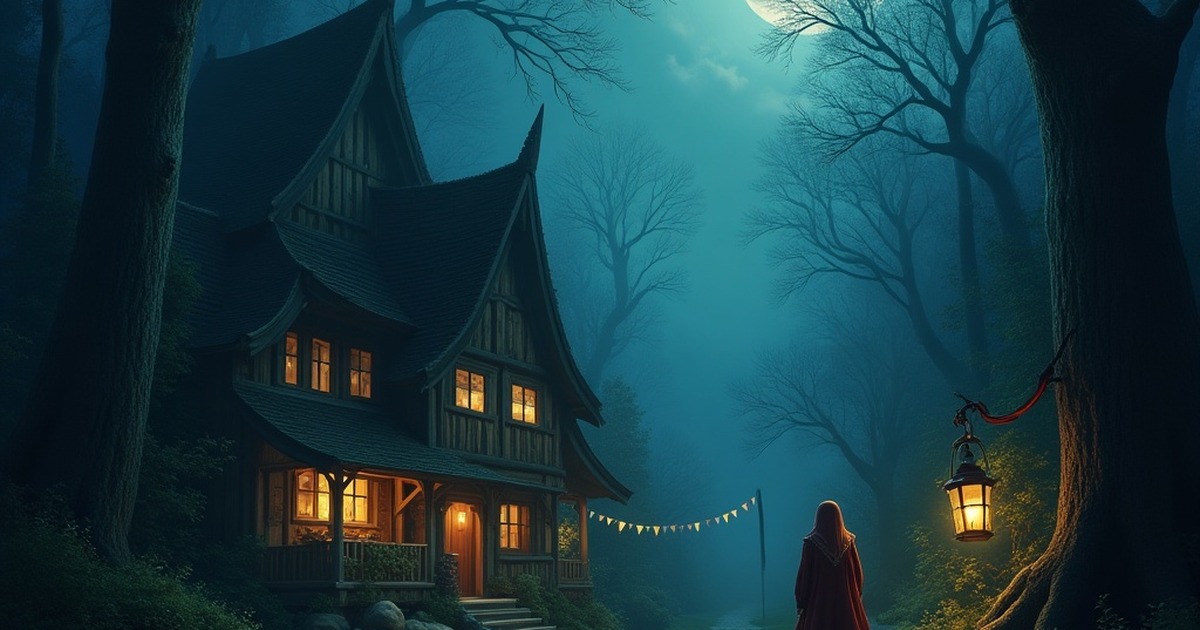
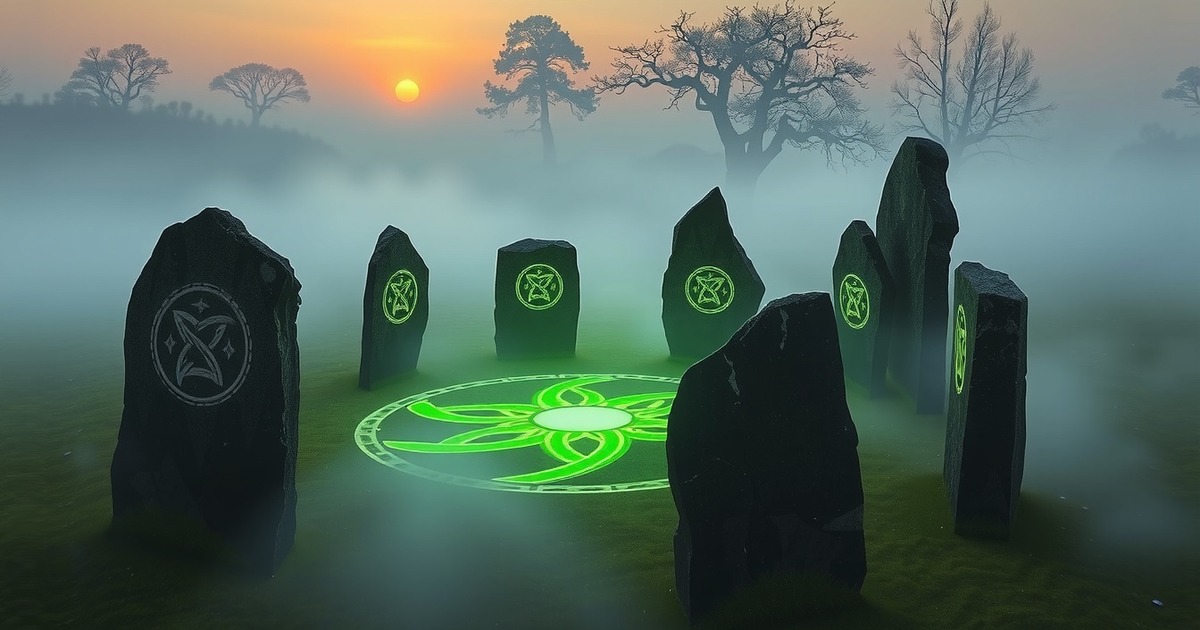
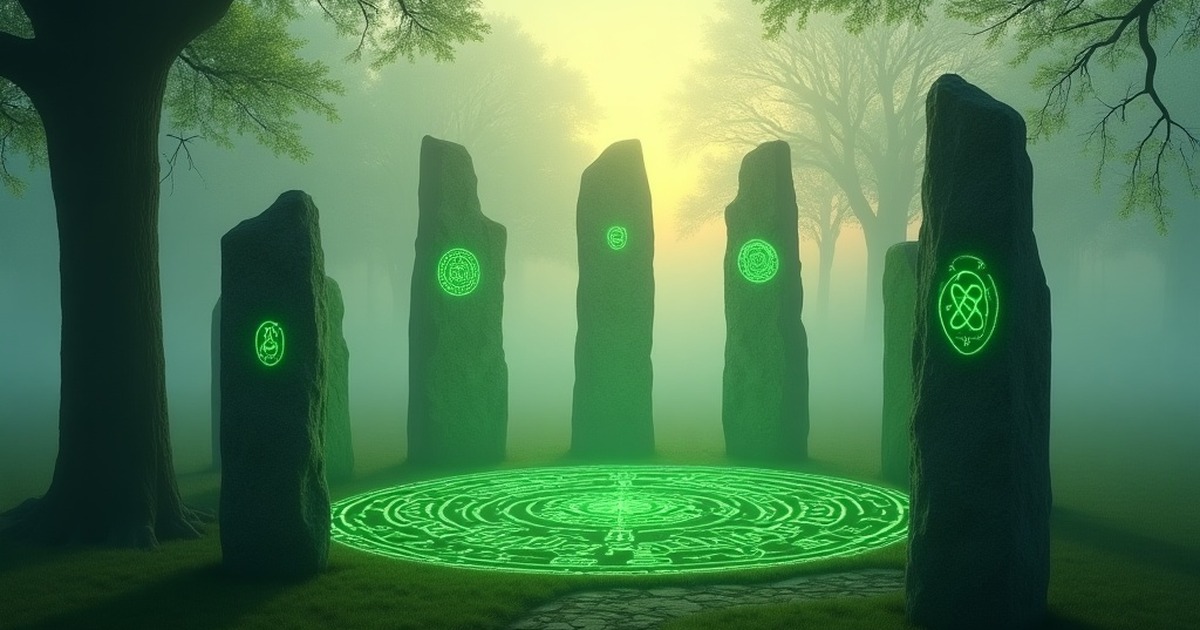
Celtic mythology describes a world where the veil between realms grows thin, especially on sacred nights like Samhain and Beltane.
Tír na nÓg
The Land of Eternal Youth beyond the western sea, where the Tuatha Dé Danann retreated
The Otherworld
Realm of the fae, accessible through fairy mounds, ancient wells, and enchanted doorways
Sacred Waters
Wells, springs, and rivers blessed by the gods and guarded by spirits
⚛
Featured Creatures
The magical beings of Celtic lore—from the noble Sídhe to fearsome beasts of the wild Irish countryside.
👻
Banshee
The wailing spirit whose keening cry heralds death in Irish families, a messenger from the Otherworld.
🦄
Kelpie
Shape-shifting water horses that appear beautiful but drag victims to watery graves in Scottish lochs.
🧙
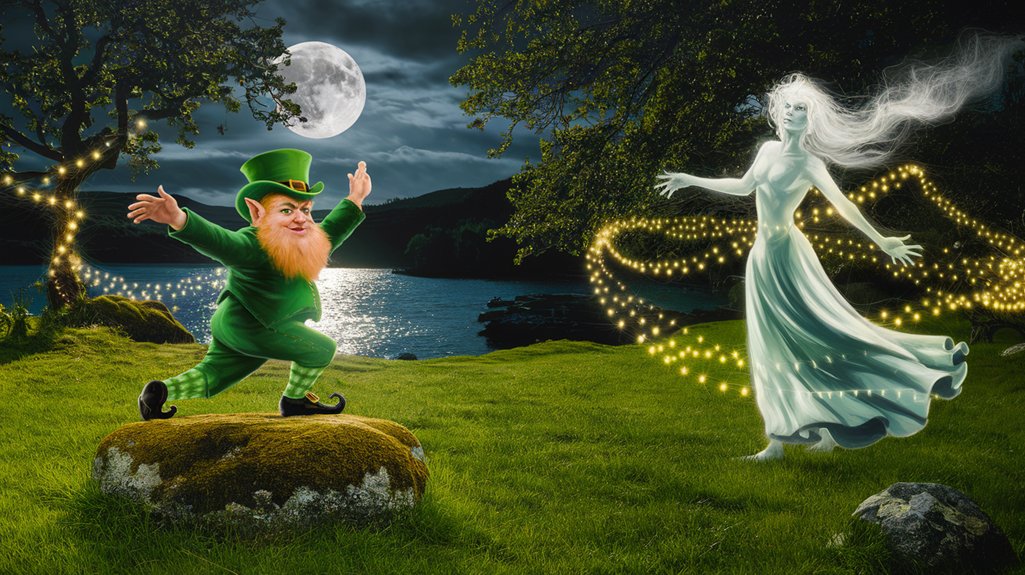
Leprechaun
Mischievous fairy cobblers guarding pots of gold at rainbow's end, granting wishes if caught.
🐶
Cú Síth
The fairy hound, a dark green dog the size of a bull that haunts the Scottish Highlands.
🦍
Selkie
Seal-folk who shed their skins to walk on land as beautiful humans, often marrying mortals.
🌻
Dullahan
The headless horseman carrying his own head, whose appearance means someone will die.
🐦
Púca
Shapeshifting trickster spirit that can bring good or bad fortune, often appearing as a dark horse.
🌿
Green Man
The wild spirit of nature, rebirth, and the forest, depicted with foliage growing from his face.
⚜
The Celtic Twilight
The Celts once dominated much of Europe, from Ireland to Anatolia. Though they left few written records, their rich oral tradition preserved myths of heroes, gods, and magical creatures. When Christianity arrived, monks recorded these tales, blending pagan and Christian elements into the mythology we know today.
Celtic mythology is characterized by the thin boundary between worlds. The Sídhe (fairy folk) are not cute sprites but ancient gods diminished—the Tuatha Dé Danann who retreated underground when the Milesians arrived. Time moves differently in their realm, and mortals who visit may return to find centuries have passed.
The Celtic legacy lives on in Irish, Scottish, Welsh, and Breton folklore. Writers like W.B. Yeats and Lady Gregory sparked a Celtic Revival in the 19th century, and today these myths inspire countless works of fantasy. The veil between worlds remains thin in the Celtic imagination.
Explore Celtic Mythology
Discover the complete bestiary of Celtic creatures—from the Tuatha Dé Danann to the fearsome Fomorians.