Creatures of Hindu Mythology
Discover the cosmic realm where Garuda soars on divine wings, Nagas guard ancient treasures, and the eternal dance of creation and destruction unfolds through infinite cycles.
🕉️ The Living Tradition
Hindu mythology is not ancient history—it is a living, breathing tradition practiced by over 1.2 billion people worldwide. From the cosmic hymns of the Rigveda (1500 BCE) to contemporary temple worship, these stories have been told continuously for over 3,500 years, making Hinduism the world's oldest living major religion.
The mythology draws from multiple layers of scripture: the four Vedas, the Upanishads, the great epics (Mahabharata and Ramayana), and the Puranas. Each text adds new gods, demons, and cosmic beings while reinterpreting earlier traditions. The result is an incredibly rich tapestry where the same deity may appear in dozens of forms and stories.
Hindu Traditions
Hindu mythology spans thousands of years, from the ancient Vedas through the great epics Mahabharata and Ramayana. Its creatures embody cosmic forces and spiritual principles.
Divine Mounts
Vahanas carry gods across the three worlds
Nagas
Serpent beings guard treasures and sacred waters
Avatars
Gods descend in many forms to restore dharma
Asuras & Devas
Cosmic beings battle for supremacy across ages
Sources of Hindu Mythology
The Vedas
Rigveda's Indra and Agni, Vedic cosmology, hymns to the Devas—the oldest Hindu scriptures
Mahabharata
The great war, Krishna's teachings, Arjuna's journey—including the Bhagavad Gita
Ramayana
Rama's exile, Sita's abduction, Hanuman's devotion, the defeat of Ravana
The Puranas
18 major texts detailing the Trimurti, avatars, cosmic cycles, and sacred geography
Upanishads
Philosophical texts exploring Brahman, Atman, and the nature of ultimate reality
Regional Traditions
Tamil Sangam literature, Bengali mangalkavyas, folk traditions across India
🕉️ The Trimurti: Creator, Preserver, Destroyer
At the heart of Hindu cosmology stand three supreme deities representing the cycle of existence:
Brahma
The Creator—born from Vishnu's navel on a lotus, he speaks the universe into being. Rarely worshipped today but essential to cosmology
Vishnu
The Preserver—maintains cosmic order through 10 avatars including Rama and Krishna. Rides Garuda, wields the Sudarshana Chakra
Shiva
The Destroyer & Transformer—performs the Tandava dance, meditates on Mount Kailash. Rides Nandi the bull, wields the trishula
Each deity has consorts who are equally powerful: Saraswati (wisdom) with Brahma, Lakshmi (prosperity) with Vishnu, and Parvati/Durga/Kali (power) with Shiva.
Featured Creatures
Garuda
The divine eagle, mount of Vishnu, enemy of serpents.
Nagas
The serpent beings dwelling in underwater kingdoms.
Hanuman
The mighty monkey god, hero of the Ramayana.
Makara
The sea creature guardian of thresholds and gateways.
Rakshasas
The man-eating demons opposing the gods.
Yakshas
Nature spirits guarding treasures and sacred places.
The Vahanas
Each Hindu deity rides a sacred vehicle (vahana) that embodies aspects of their divine nature.
Garuda
Vishnu's eagle—king of birds, enemy of serpents, symbol of speed and power
Nandi
Shiva's bull—symbol of dharma, strength, and virility. Guards every Shiva temple
Peacock
Mount of Kartikeya/Murugan and Saraswati—symbol of beauty and immortality
Mouse
Ganesha's unlikely mount—represents overcoming obstacles through humble means
Lion/Tiger
Durga's fierce mount—symbol of power, courage, and the goddess's warrior nature
Owl
Lakshmi's vehicle—represents wisdom in darkness and vigilance over wealth
🐍 The Nagas: Lords of the Underworld
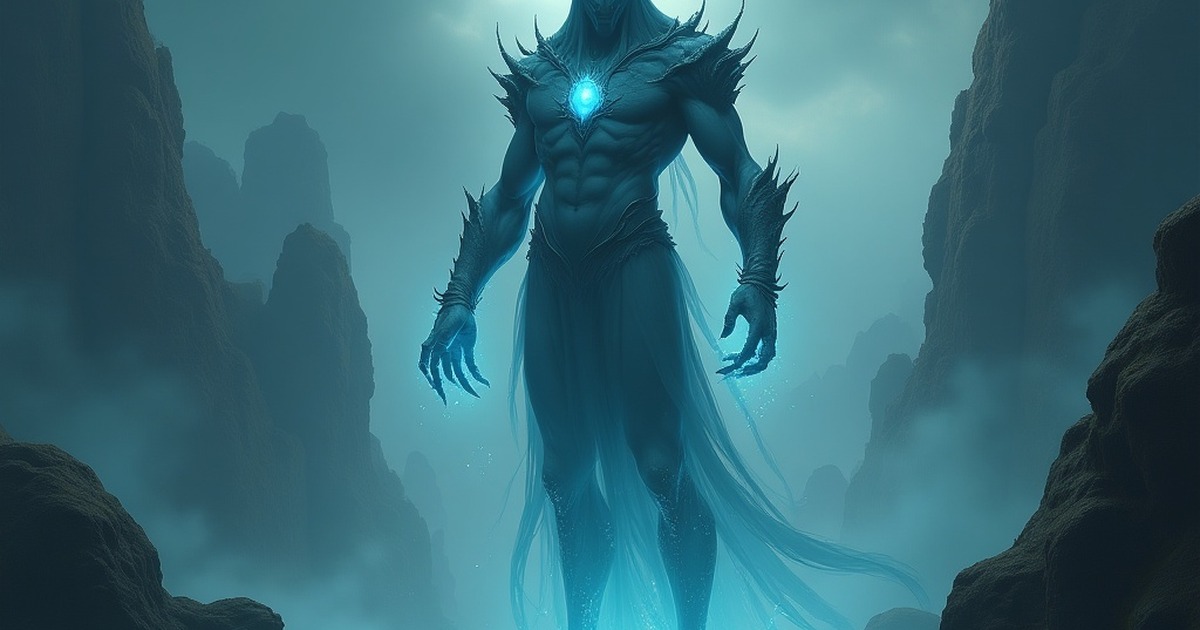
The Nagas are powerful serpent beings who rule Patala, the jeweled underworld beneath the earth. Part snake, part human, they guard treasures, control rainfall, and possess both divine and demonic aspects:
Shesha/Ananta
The thousand-headed serpent on whom Vishnu sleeps between cosmic cycles
Vasuki
King of Nagas, wrapped around Mount Mandara to churn the cosmic ocean
Takshaka
The vengeful Naga king who killed King Parikshit, sparking the snake sacrifice
Naga Worship
Still practiced today—Nag Panchami honors serpents with milk offerings
👹 Asuras vs Devas: The Eternal War
Hindu mythology features an ongoing cosmic conflict between the Devas (gods of light, order, and the heavens) and the Asuras (powerful beings often translated as “demons,” though the term is more complex):
- Rakshasas — Man-eating demons, including Ravana of the Ramayana
- Daityas — Sons of Diti, often battling Indra for supremacy
- Danavas — Sons of Danu, cosmic demons of chaos
- Yakshas — Nature spirits, ambiguously good or evil
- Bhutas/Pretas — Ghosts and hungry spirits
- Pishachas — Flesh-eating demons haunting cremation grounds
Notably, the line between Deva and Asura is fluid—some Asuras are noble (like Prahlada), and Devas can be flawed. The Churning of the Ocean required both sides working together.
The Ten Avatars (Dashavatara)
Vishnu descends to Earth in various forms to restore dharma when evil threatens cosmic order.
Matsya
The fish who saved Manu from the great flood
Kurma
The turtle who supported Mount Mandara
Varaha
The boar who rescued Earth from the cosmic ocean
Narasimha
The man-lion who slew Hiranyakashipu
Vamana
The dwarf who grew to cosmic size
Parashurama
The axe-wielding warrior sage
Rama
The ideal king, hero of the Ramayana
Krishna
The divine cowherd and charioteer of Arjuna
Buddha
The enlightened one (in some traditions)
Kalki
The future avatar who will end the Kali Yuga
Explore Hindu Mythology
Discover the divine beings from the Vedas, Mahabharata, Ramayana, and Puranas.